

Interview: Why finance hubs must join forces for a more sustainable global economy
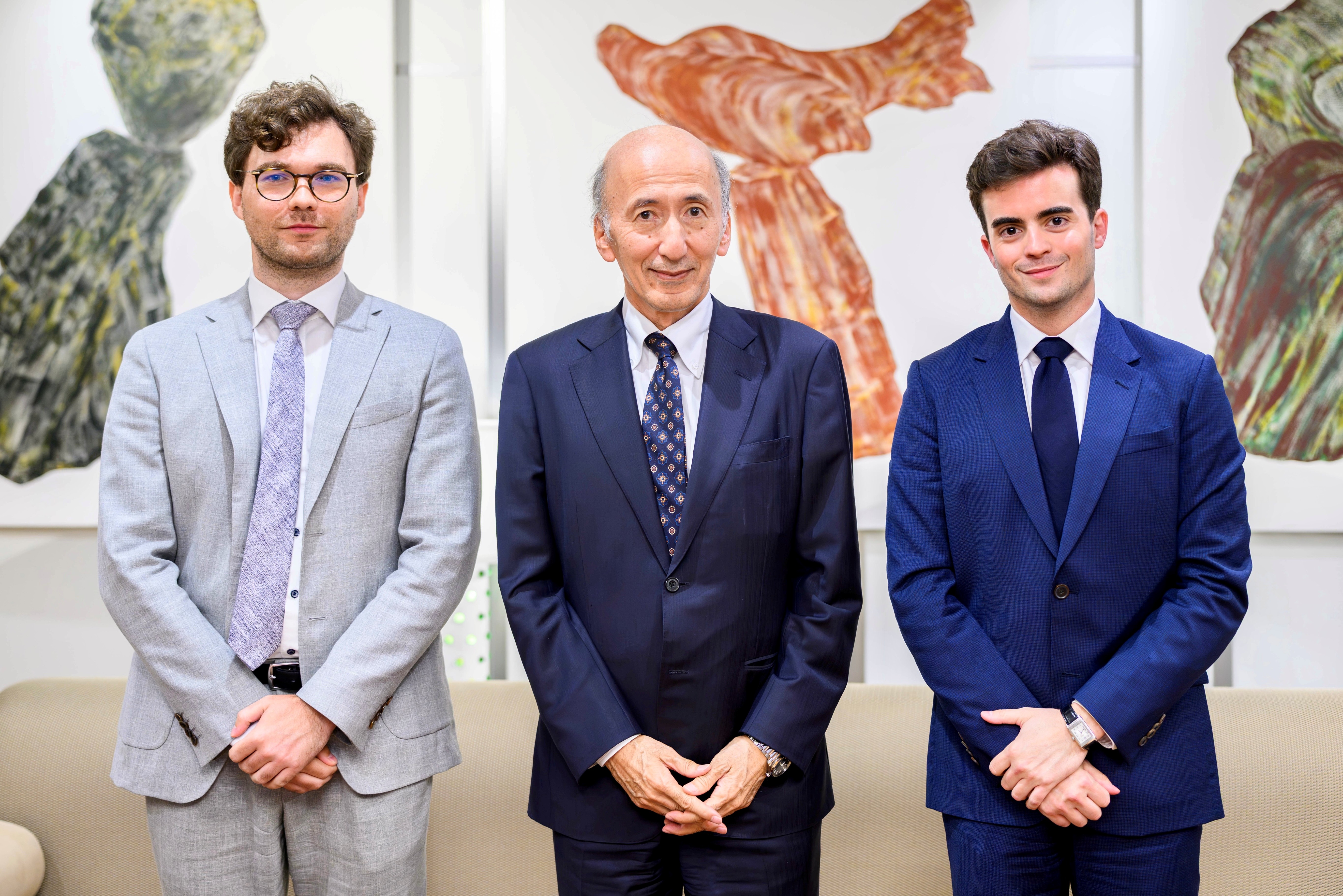
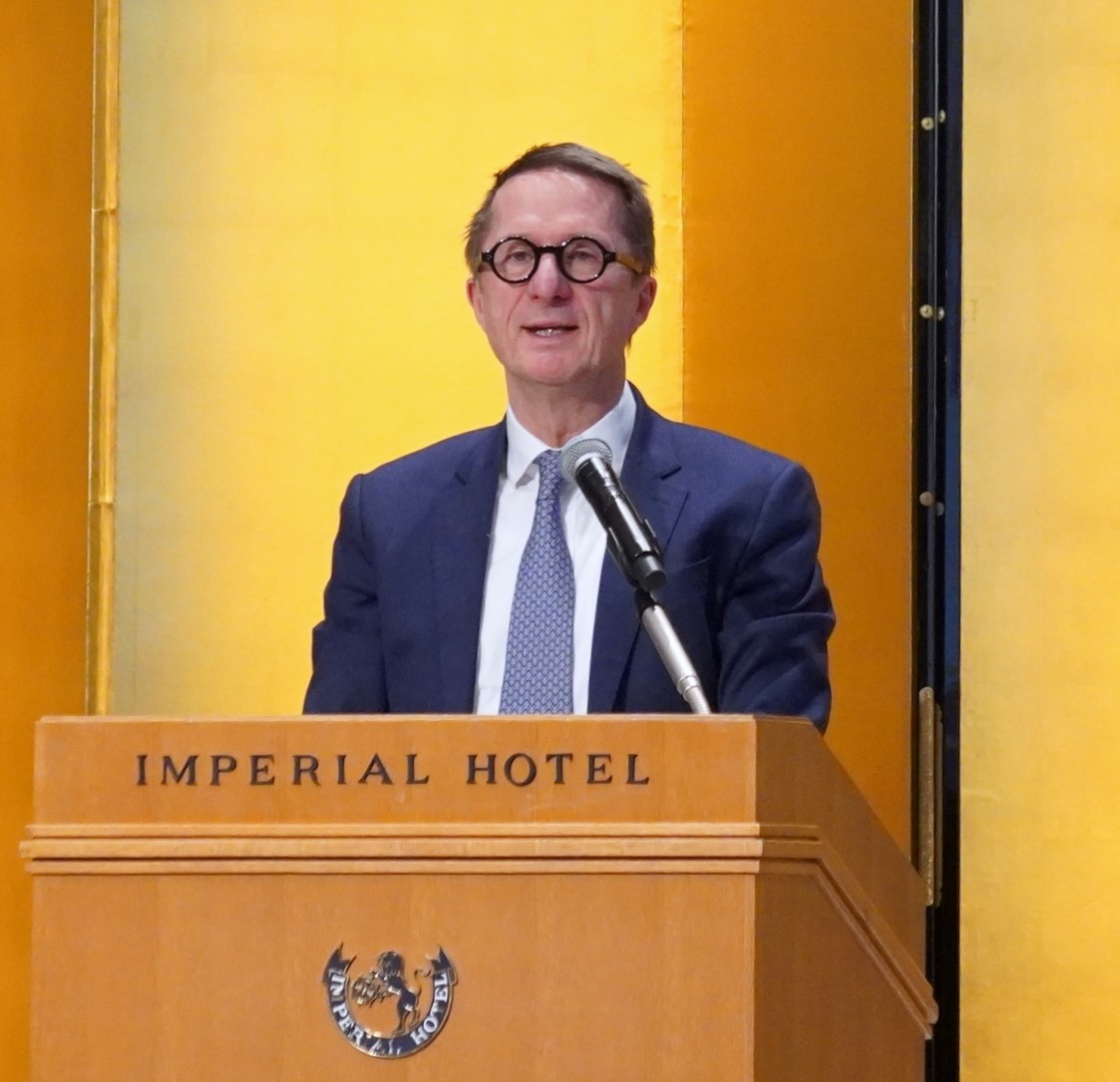
Oliver Behrens, Chairman of Frankfurt Main Finance, recently visited Tokyo for the signing of a Memorandum of Understanding (MoU) between Tokyo and Frankfurt. Here, he shares his views on the strategic value of financial centers cooperating to support inclusive growth and financial stability.
There is a lot of tension and volatility in the world right now. Why is the Tokyo-Frankfurt MOU important at this time?
In a time marked by geopolitical tensions, economic fragmentation and increasing volatility, strong international partnerships between like-minded financial centres are more important than ever. The Memorandum of Understanding between Frankfurt Main Finance and FinCity.Tokyo sends a clear signal: cooperation, not isolation, is the answer to global uncertainty.
The friendship between Germany and Japan goes back decades: economically, politically, and culturally. What makes this relationship particularly strong is that it has always been built on mutual trust, long-term thinking and responsibility. With the cooperation of our two leading financial centres, this friendship has gained additional strategic relevance, as both countries face similar challenges, including resilient supply chains, financial stability, technological sovereignty and the need to finance transformation.
Today, both our cities are at a turning point. Tokyo is rapidly enhancing its status as an international asset management hub, while Frankfurt is consolidating its position as the leading financial centre in the European Union. This creates a strong foundation for deeper collaboration. Our MoU formalises and accelerates an already established cooperation between Frankfurt and Tokyo. It provides a structured framework to deepen this partnership further and to strengthen both financial centres in a changing global environment.
In these turbulent times, it is important to have such partnerships you can rely on. To that effect, it is important to strengthen solidarity during these uncertain times through joint projects and shared successes.
What are the benefits to German and Japanese financial players, respectively?
The benefits are tangible and work in both directions. The cooperation between Frankfurt and Tokyo is not symbolic it is strategic.
For Japanese financial institutions, Frankfurt offers a highly attractive gateway to the European Union. Since the Brexit referendum, Frankfurt has seen a remarkable shift in the financial landscape. At least €2.5 trillion in assets have been relocated from London to Frankfurt. The city has welcomed more than 9,500 additional jobs in banking and an estimated 30,000 to 40,000 in related professional services such as legal, consulting and auditing. More than 60 international banks have applied for new or expanded licences from the German regulator, BaFin. Japanese financial institutions were among the very first to move to Frankfurt after Brexit, demonstrating strong trust in the location.
In addition, with new regulatory developments such as CRD VI, Germany provides a clear, efficient and predictable framework for market entry — particularly through simplified structures like third-country branches. Combined with Frankfurt’s strong regulatory environment, deep capital markets and its role as the EU’s leading financial centre, this creates significant strategic advantages. In connection with the aforementioned new regulation, approximately 100 billion euros in additional assets will be transferred from Japanese institutions to Frankfurt.
At the same time, German and European financial players benefit from closer access to one of the world’s most sophisticated and capital-rich markets. Japan is a global leader in areas such as technology, data governance and long-term institutional investment. Strengthening ties with Tokyo opens up opportunities for collaboration in asset management, infrastructure investment and innovation-driven financial services.
Ultimately, the MoU helps both sides to better connect their financial ecosystems — facilitating investment flows, knowledge exchange and long-term business partnerships.
What collaborative activities do you see resulting from the MOU in the near term? What about longer term?
In the near term, we expect to see a strong intensification of exchange formats. This includes joint conferences, delegation visits, roundtables and expert dialogues. All aimed at connecting financial institutions, regulators and policymakers from both sides. In addition, both sides will work on sharing best practices and enhancing communication to support capital market development and financial sector cooperation.
We will also deepen collaboration on key topics such as capital market development, sustainable finance and regulatory frameworks. Areas like green bonds, transition finance and digital innovation are particularly promising fields for immediate cooperation.
Looking further ahead, the aim is to deepen collaboration in key areas outlined in the MoU. These include promoting financial services that contribute to social goods — such as green bonds, social bonds, transition finance, digital technologies, alternative investments and infrastructure investment. Furthermore, the partnership is expected to support joint financial promotion activities and policy-related exchange, building a sustained and structured cooperation between the two financial centres. Over time, Frankfurt and Tokyo can position themselves as a connected financial corridor between Europe and Asia. As a concrete step, we plan to organize a high-level meeting during the World Bank conference in Bangkok this fall.
How can financial centers collaborate to resolve the big challenges facing the world today, e.g. climate change and global inequality?
Financial centres play a crucial role because they are the point where capital, innovation and policy come together. Collaboration between centres like Frankfurt and Tokyo can significantly accelerate progress, particularly by mobilising capital at scale. For example, joint efforts in sustainable finance can help expand markets for green bonds, transition finance and infrastructure investments that are essential for achieving climate goals. At the same time, collaboration also strengthens the integrity and resilience of the financial system itself.
The decision to locate the EU Anti-Money Laundering Authority (AMLA) in Frankfurt underlines the city’s role as a hub for financial integrity, supervision and compliance innovation. AMLA will rely heavily on big data and artificial intelligence to detect illegal capital flows. In this context, cooperation with Japan offers significant potential.
Japan brings strong capabilities in data governance, industrial-grade technology and operational excellence. Joint initiatives — such as Tech & Data Labs and regulatory sandboxes — can support the development of AI-driven compliance and RegTech solutions.
Finally, partnerships like this also have a strong signaling effect. They demonstrate that major financial hubs are willing to work together to support inclusive growth, strengthen financial stability and contribute to a more sustainable global economy.
Related
関連記事