

Women’s Empowerment as a Corporate Survival Strategy: Key Steps for Promoting Advancement
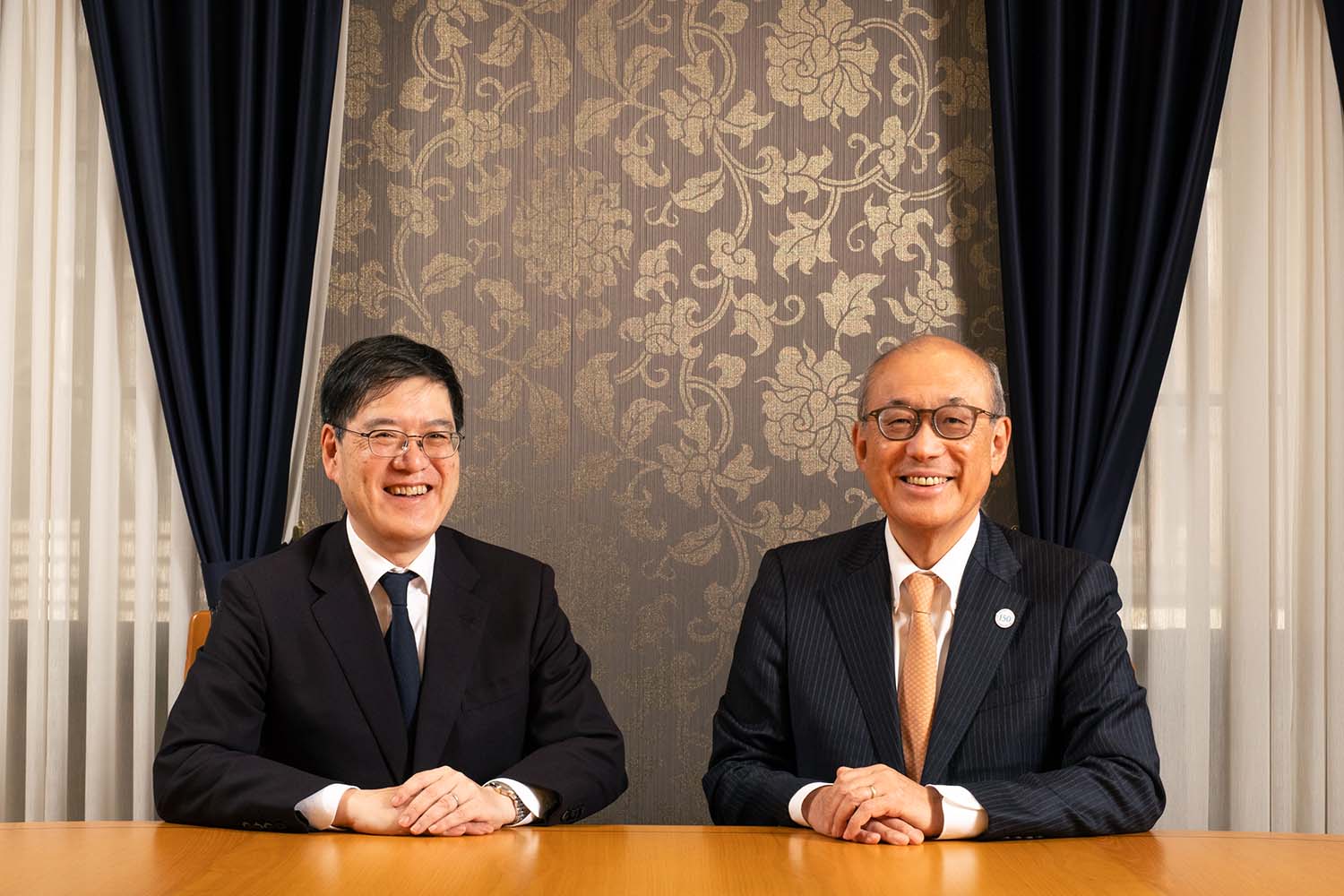
FinCity.Tokyo hosted the “Seminar on Promoting Sustainability Management for Small and Medium-Sized Enterprises” in October 2025. Under the theme, “Turning Change into Opportunity in 2025: A New Era of Sustainability Management Led by SMEs,” executives from SMEs and stakeholders supporting sustainability management discussed a range of topics, including practical lessons from collaboration with large firms, the use of support systems provided by financial institutions, and strategies to enhance organizational capabilities through women’s workforce participation.
In recent years, the number of organizations in Japan with women in top positions has grown. The appointment of Sanae Takaichi as Prime Minister in October 2025 symbolizes the steady progress in promoting women’s participation in the workforce.
However, from a global perspective, the proportion of women in management positions at Japanese companies in 2024 stood at only 16%, well below the OECD average of 34%.
In small and medium-sized enterprises in particular, management remains predominantly male, indicating that women’s advancement has yet to be fully realized.
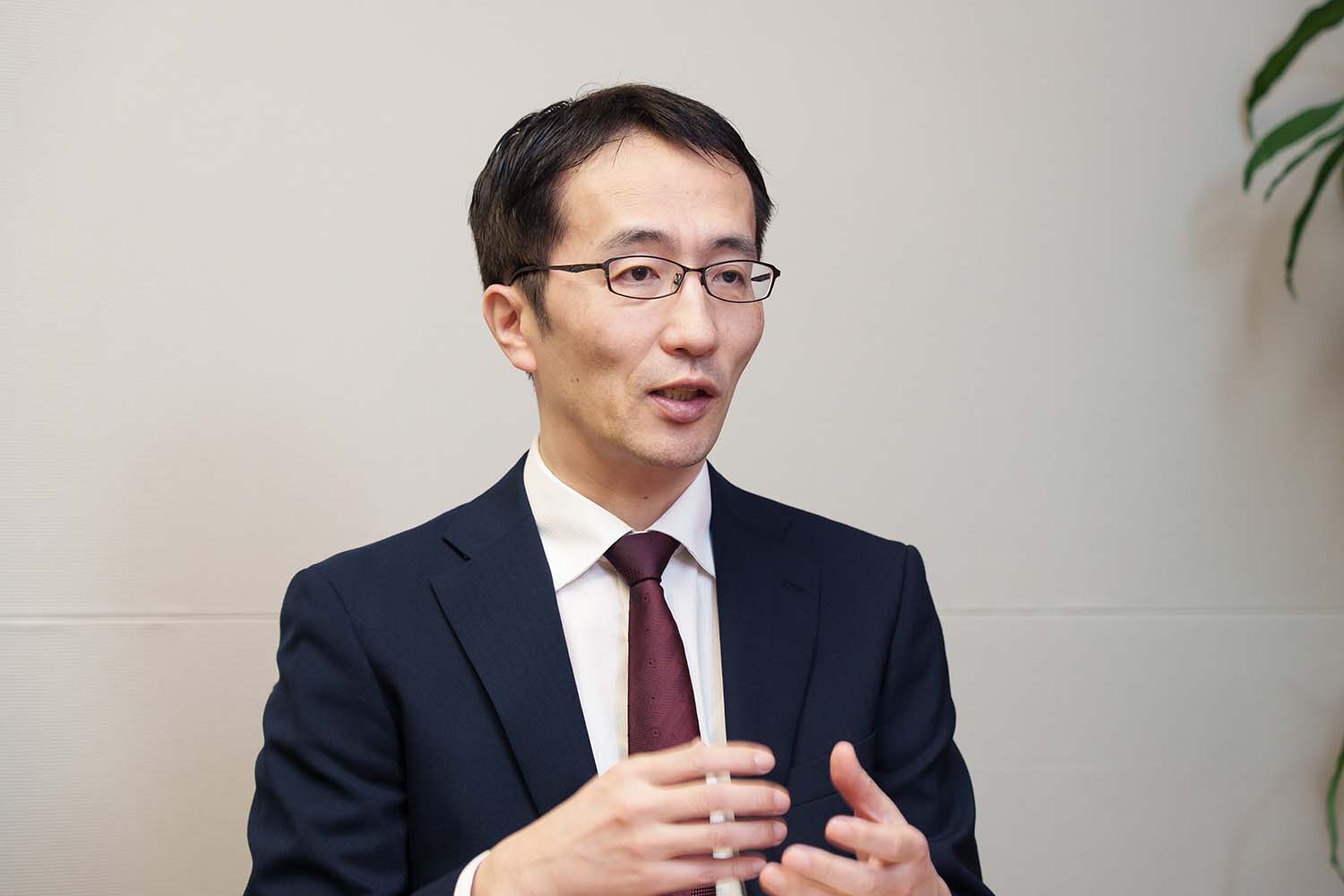
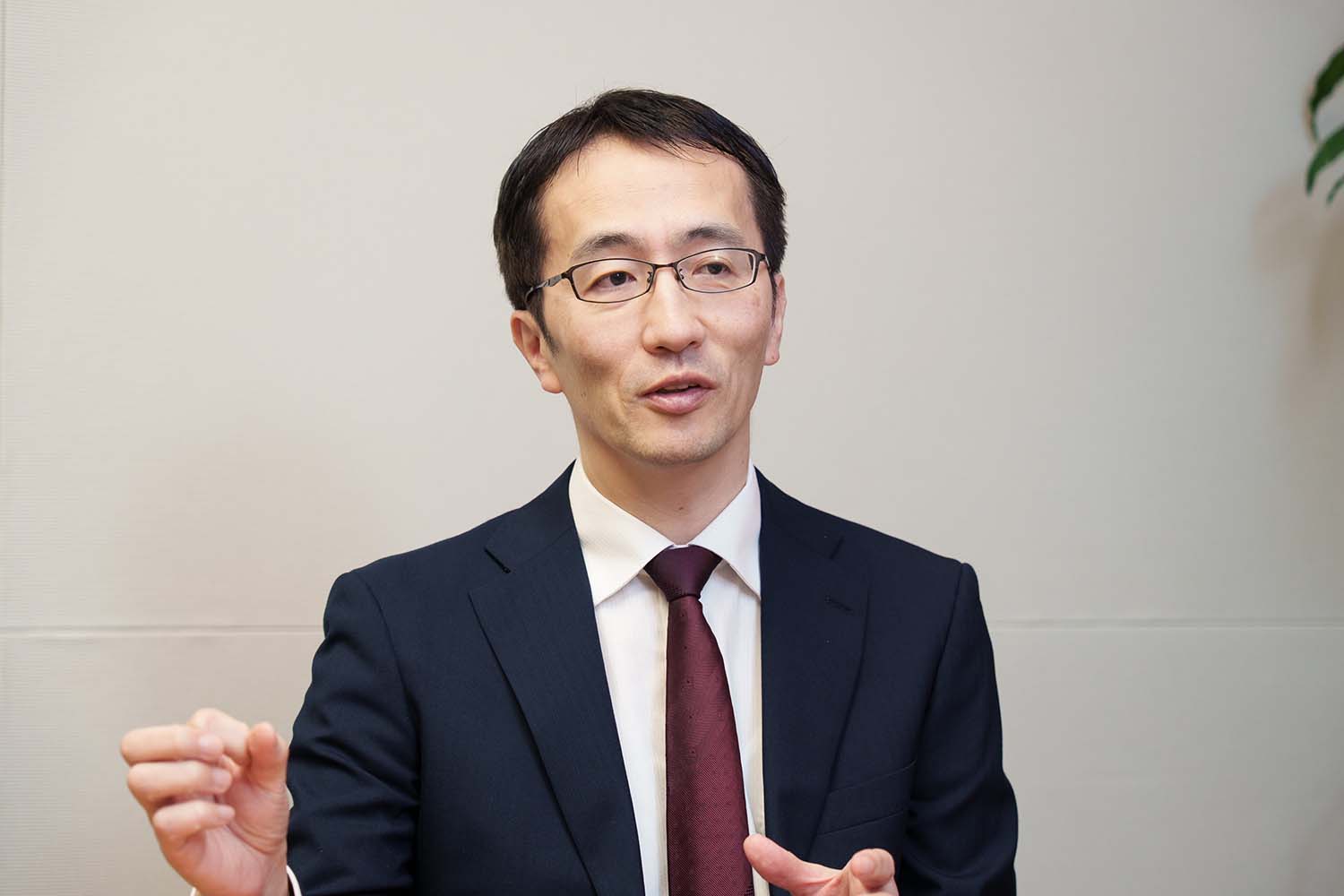
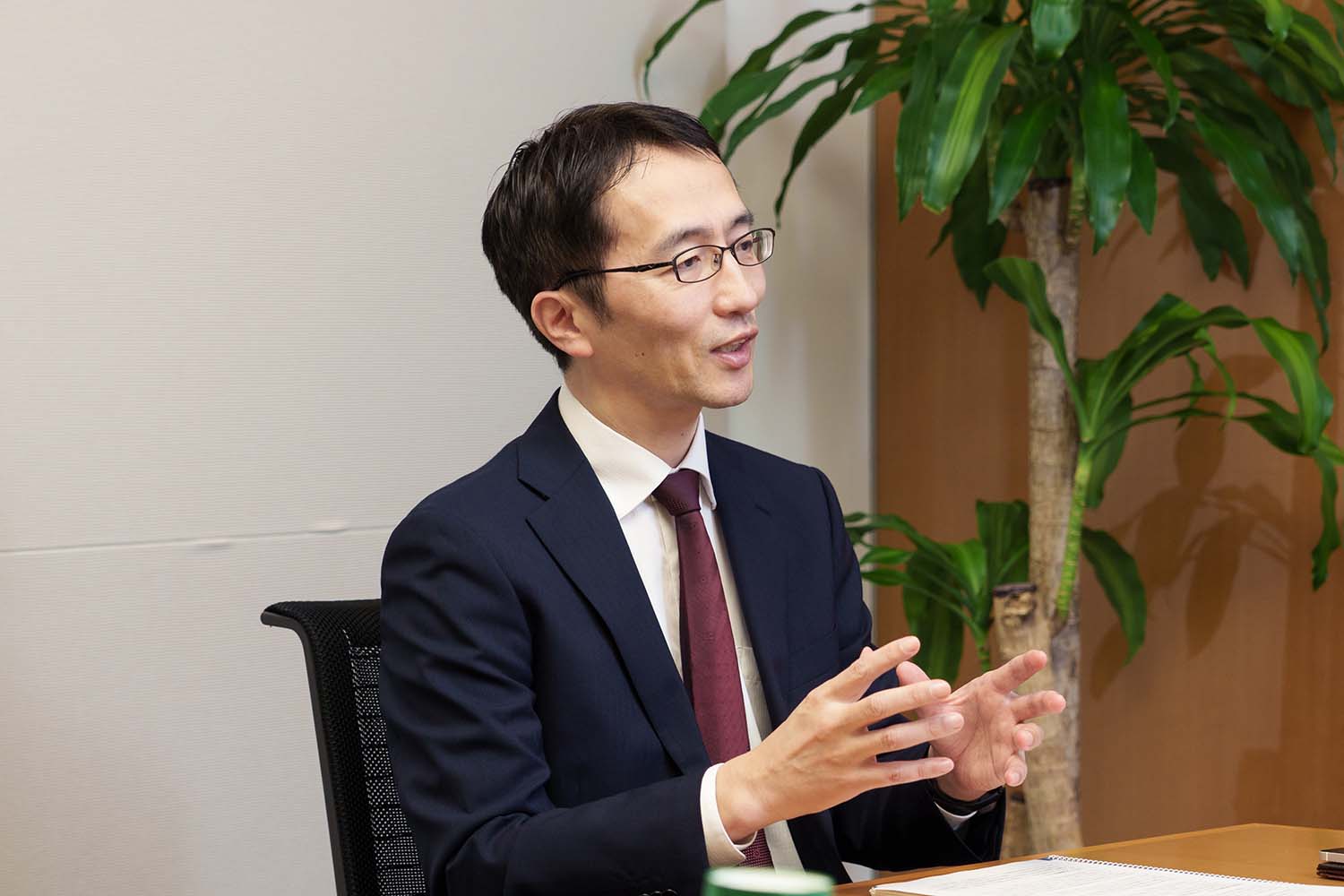
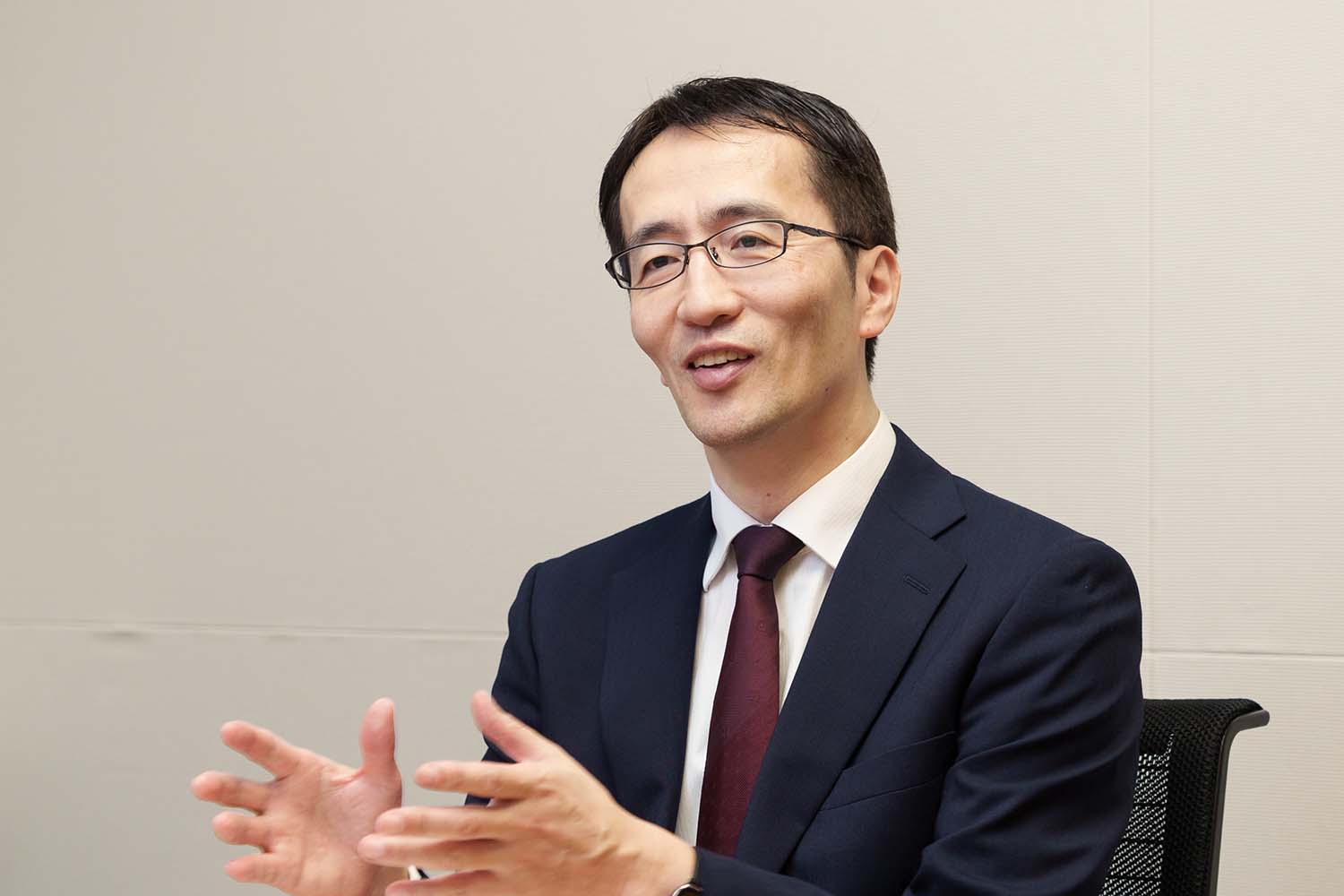
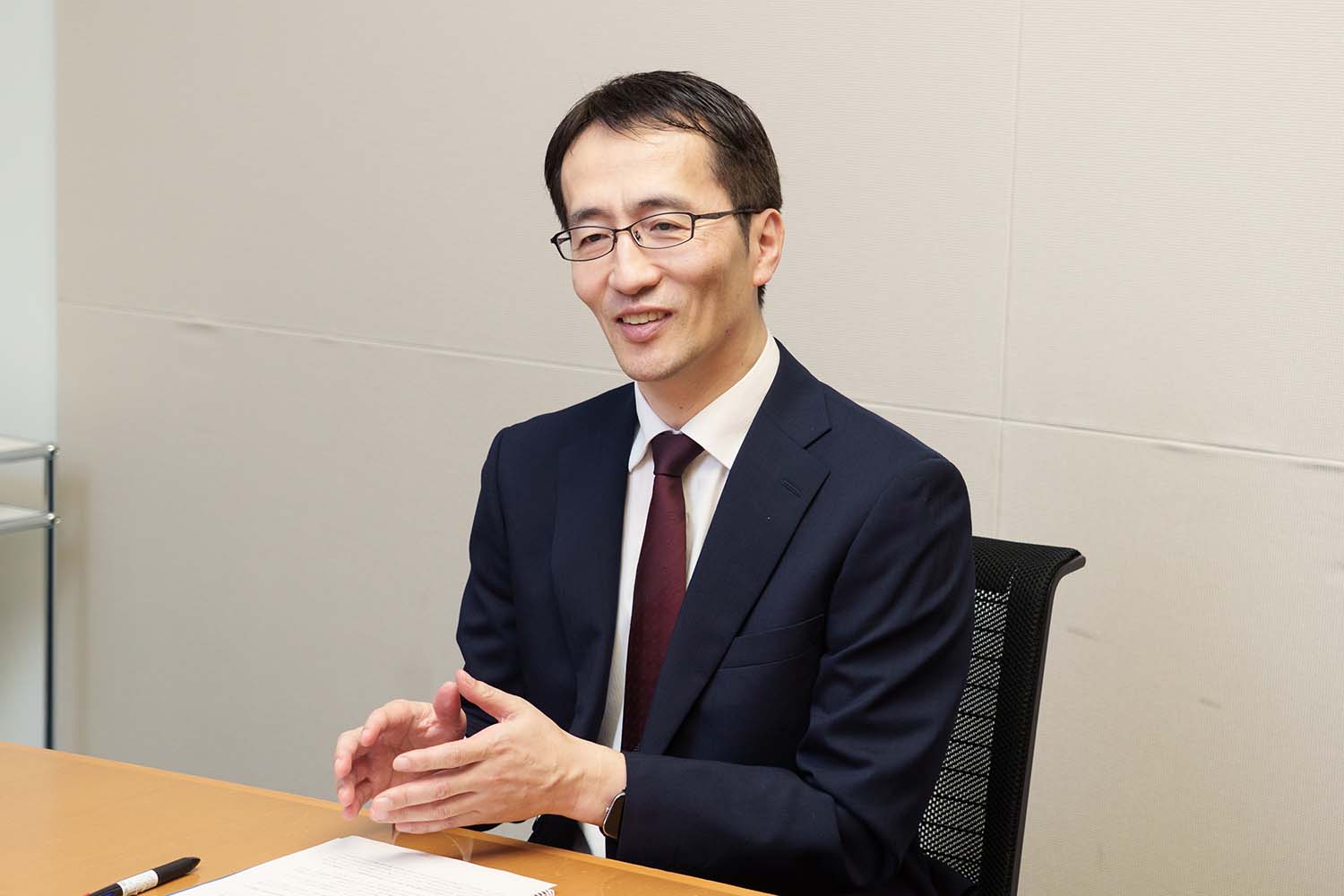
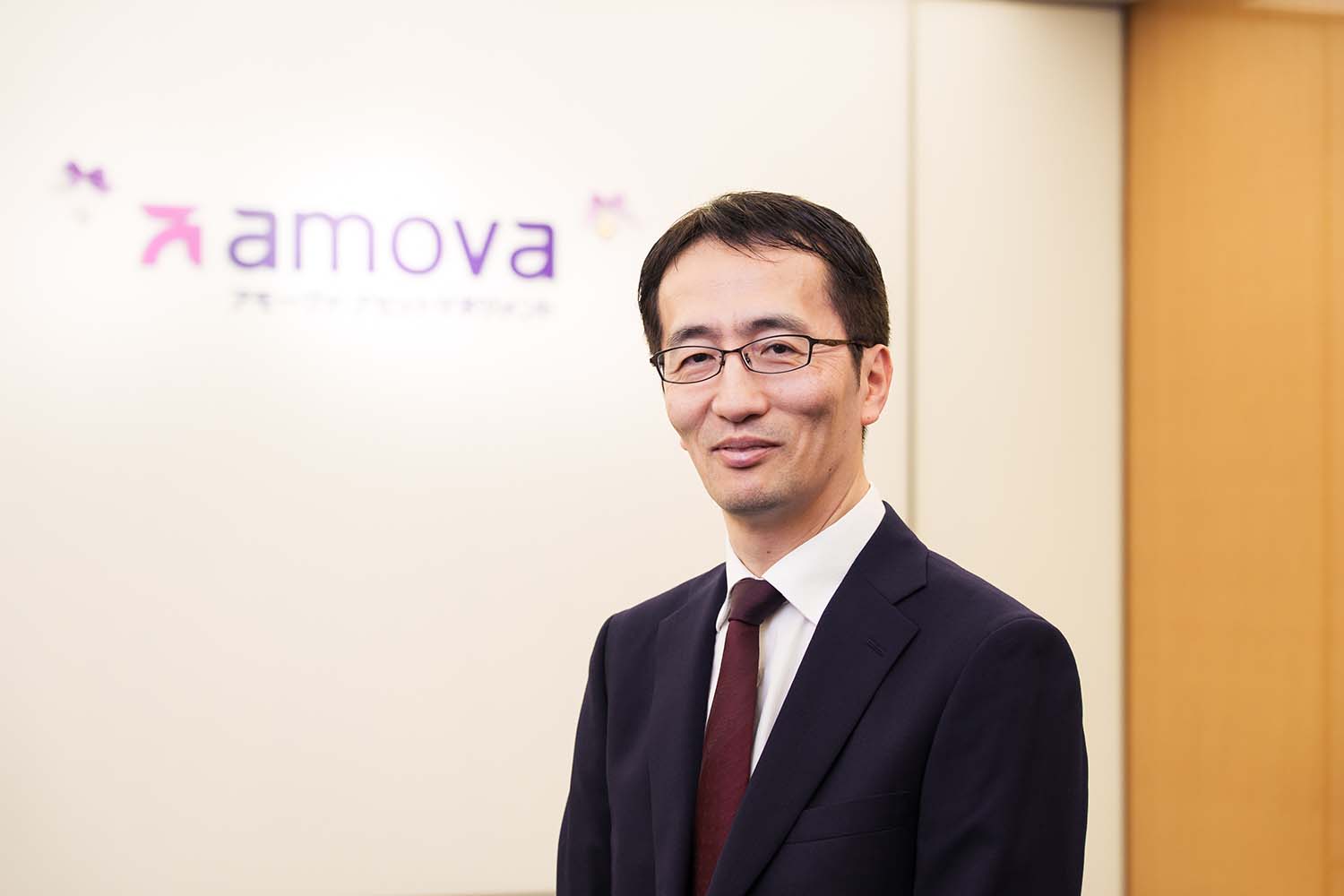
At the seminar, we invited Kiyoshi Noda of Amova Asset Management, an active advocate for women’s advancement within his firm and across the asset management industry, who also spoke at the event. We discussed with him initiatives to further promote women’s workforce participation within organizations.
Kiyoshi Noda
Co-Head of the Sustainable Investment Department, Amova Asset Management Co., Ltd.
He began his career in April 1993 at Sanwa Bank (now MUFG Bank), where he was responsible for equity investment operations. He was later seconded to Sanwa Asset Management (now Mitsubishi UFJ Asset Management). After serving as a fund manager for approximately 20 years, he led the company’s stewardship activities and ESG integration as Head of the Responsible Investment Promotion Office, gaining extensive experience across all areas of responsible investment.
In August 2022, he joined Nikko Asset Management (now Amova Asset Management), assuming his current position in October 2023.
Index
Table of Contents
- A Breakthrough in a Tight Labor Market: Why Women’s Participation Is Essential for SMEs
- Overcoming the lack of role models: some realistic solutions
- Two Approaches to Promoting Women’s Workforce Participation: Management-Led Initiatives and Environmental/Institutional Support
- Internal and External Networking Mechanisms Can Accelerate Women’s Workforce Participation
- Towards a Society in Which ‘Women’s Empowerment’ Is No Longer a Necessary Concept: A Collective Responsibility
A Breakthrough in a Tight Labor Market: Why Women’s Participation Is Essential for SMEs
From your position as a member of the Asset Management Women’s Forum (AMWF), a network promoting women’s empowerment both within Amova Asset Management and across the asset management industry, what potential benefits can companies gain from promoting women’s advancement?
Noda: I would like to begin by noting that it is highly unnatural that, despite the male-to-female ratio in society being roughly 1:1, many companies still have a predominantly male workforce.
From a macroeconomic perspective, Japan is shifting from a manufacturing-centered model to a software-based economy, where intellectual property and knowledge-based assets are increasingly important. In this context, companies must move beyond traditional management and operational approaches and transform into structures that foster innovation. I believe diversity is essential as a survival strategy, particularly in industries where innovation is critical, such as IT and pharmaceuticals.
In today’s rapidly changing environment, often described by the acronym “VUCA” (volatility, uncertainty, complexity, and ambiguity), companies must make flexible decisions. Organizations that rely solely on uniform opinions are less able to adapt, whereas those that encourage the free expression of diverse perspectives are more likely to enhance organizational agility and resilience.
From this perspective, promoting women’s participation in the workforce offers significant strategic benefits for companies.
You mentioned that promoting women’s participation in the workforce is a necessary initiative for strengthening organizational capability as part of a company’s “survival strategy.” Given their smaller workforce, small and medium-sized enterprises (SMEs) are often unable to establish dedicated departments for advancing women, unlike larger corporations, and may naturally place less emphasis on this issue. What is your view on the importance of SMEs actively promoting women’s advancement?
Noda: I believe one of the key benefits of promoting women’s participation in the workforce is its potential to alleviate labor shortages. Recruiting only men limits access to half of the labor pool, whereas targeting both men and women effectively doubles the available talent. In addition, workplaces designed to increase women’s participation tend to be better environments for men as well, making such initiatives a crucial driver for attracting and retaining top talent. Given that labor shortages are particularly acute for small and medium-sized enterprises (SMEs), promoting women’s workforce participation is especially important for these companies.
Furthermore, as I mentioned earlier, companies must create organizations that incorporate diverse perspectives and enable flexible decision-making in order to survive in a rapidly changing environment. This principle applies not only to large corporations but also to SMEs.
However, frontline observations indicate that women themselves sometimes express sentiments such as, “I do not necessarily wish to be highly involved,” or, “Seeing male managers work long hours, I do not think I could do the same.” In light of this, what initiatives do you consider necessary to promote women’s advancement?
Noda: This concern is frequently raised in discussions on diversity initiatives, both within our company and through the Asset Management Women’s Forum (AMWF). A common scenario occurs when a woman observes her male manager’s work style and feels she could not perform similarly or lacks the confidence to assume such a role.
I believe the first step is to reform the way male managers work. In addition, it is essential to engage with women who have the potential for managerial positions, providing support to help them build the confidence necessary to take on leadership responsibilities.
Overcoming the lack of role models: some realistic solutions
When seeking career advancement, women often face limited access to role models or female managers for guidance. How can we provide support to women who may face these challenges?
Noda: When seeking role models, I believe it is best not to rely solely on one’s current supervisor, who is often male, but to consider a diverse range of figures, such as female supervisors in other departments or contacts encountered through professional networks.
Moreover, role models need not be emulated exactly. It is more effective to consider various perspectives, extract elements that resonate personally, and adapt them to develop one’s own vision of effective management.
As the number of female managers increases, these concerns are likely to diminish. However, we are currently in a transitional phase, and some “growing pains” associated with this shift are inevitable.
In recent years, with female leaders increasingly featured in the media, observing leaders in other organizations can provide valuable inspiration.
Noda: You are correct. Another highly effective measure is the mentor system implemented at our company. This system assigns a mentor—not necessarily a superior—who can provide guidance and ongoing support.
The system is also valuable for employees who have already assumed managerial roles. Upon promotion, individuals often encounter various challenges, regardless of gender. Therefore, it is important to establish a company-wide framework that provides mentors capable of listening to concerns about work and career development and offering appropriate guidance.
Two Approaches to Promoting Women’s Workforce Participation: Management-Led Initiatives and Environmental/Institutional Support
As you mentioned, promoting women’s workforce participation is an important initiative for small and medium-sized enterprises. However, it can be challenging to convince executives and managers, who face multiple operational and strategic priorities, of the significance of these initiatives. What is the best approach to communicate the importance of promoting women’s workforce participation?
Noda: First and foremost, it is essential that management genuinely believes in the positive impact of promoting women’s workforce participation. Efforts driven solely by external pressure or imitation of other companies are unlikely to have lasting effects. Management must recognize the issue as real and feel a strong commitment to address it.
This is particularly important for small and medium-sized enterprises, where management exerts a significant influence. It is crucial that executives fully understand the importance and necessity of these initiatives and recognize that failure to promote women’s advancement could affect the organization’s long-term survival. When management firmly holds this conviction, it is more likely to be effectively communicated throughout the workforce.
Assuming management is fully committed to these initiatives, what steps should they take?
Noda: First, it is important to clearly communicate to employees the rationale behind these initiatives and ensure they fully understand their significance. As some aspects may not be grasped after a single briefing, it is often necessary to reinforce the message through repeated discussions. This represents a top-down approach.
Beyond direct engagement by managers and executives, what approaches can be taken to improve the work environment and organizational systems for employees?
Noda: It is essential to establish systems that improve the work environment and accommodate employees’ life events. Additionally, although not directly related, personnel systems should fairly evaluate employees based on performance—not merely on overtime or long hours—but on results achieved and the creativity demonstrated in the process.
You mentioned approaches involving both management-led initiatives and environmental or institutional support. However, there may be cases where employees raise concerns but management does not act, or where management calls for action but employees do not respond. How should such situations be addressed?
Noda: When management is slow to act despite employees raising concerns, one approach is for investors like us to engage in dialogue with companies that are not making progress. Another option is to communicate with outside directors at listed companies and ask them to encourage management action.
Conversely, when employees do not fully understand the issue, management and supervisors must persistently work to disseminate the message throughout the organization. This requires significant time and effort, and sustained engagement is essential. Another effective measure is to include “progress on diversity initiatives within the department” as a component of performance evaluations.
Internal and External Networking Mechanisms Can Accelerate Women’s Workforce Participation
We have seen that promoting women’s workforce participation requires collaboration between management and employees. However, there are limits to what management and employees can achieve on their own. Is it not necessary to address this in collaboration with allies both within and outside the organization?
Noda:That is exactly right. I believe providing networking mechanisms both within and outside the company is highly effective.
As an example of internal efforts, our company has established an employee resource group called the “JAPAN WOMEN’S GROUP,” which employees from any department can join voluntarily. I participate in this group, and we discuss ways to advance diversity in consultation with the HR department. Ideas such as organizing internal events are proposed and, where appropriate, implemented. It is important for management to support such internal networking and encourage employees to take initiative.
Regarding external networking, one approach is for executives to actively engage with peers outside their organization to share and exchange information about their respective initiatives. One example is the “30% Club Japan,” which brings together corporate executives who meet regularly to exchange best practices.
We also participate in a working group called the “Investor Group,” where investors share perspectives and discuss relevant issues.
I believe it is important to raise awareness and promote women’s advancement by engaging with colleagues and stakeholders both inside and outside the company through such networking initiatives.
The Asset Management Women’s Forum (AMWF), which promotes women’s participation in the asset management industry, is also an example of networking with external stakeholders. Could you describe some of its specific activities?
Noda: In brief, the Asset Management Women’s Forum (AMWF) is a cross-industry network dedicated to promoting women’s participation in the asset management industry. In this sector, human capital is the greatest asset, a key differentiator, and a source of innovation. Recognizing this, we established the network to support the advancement of female employees, acknowledging that efforts must extend beyond individual companies to the industry as a whole.
Specific activities include hosting events, exchanging ideas through working groups, and holding an annual social gathering. Through these initiatives, members learn about the approaches other companies are taking to promote women’s participation and explore ways to apply these insights within their own organizations.
You mentioned hosting events. What kind of events are you hosting specifically?
Noda: We are hosting an event for university students in February 2026. The event introduces students to careers in the asset management industry, with an emphasis on the workplace environment’s suitability for women. I have participated in a previous session and found it highly valuable to hear directly from students about their perspectives on diversity during the networking portion of the workshop. The event received positive feedback from participants and has proven effective in attracting and securing future talent for the asset management industry.
What challenges, if any, are unique to the asset management industry in promoting women’s workforce participation?
Noda: One challenge that is somewhat unique to the asset management industry is the low number of women in investment departments. This is a common issue across all companies participating in AMWF. Investment management requires extensive experience, making it difficult to quickly replace veteran personnel with new hires. While we do recruit female graduates, it is challenging to assign them immediately to investment management roles from other departments, as greater experience typically correlates with higher investment capabilities.
Another challenge is the limited recognition of the industry itself. When people think of the financial sector, they often focus on banks, insurance, and securities, resulting in a relatively small talent pool for asset management careers. I believe AMWF’s efforts are essential to raise awareness of the industry and expand this talent pool.
Towards a Society in Which ‘Women’s Empowerment’ Is No Longer a Necessary Concept: A Collective Responsibility
In addition to private companies, governments at both the national and Tokyo Metropolitan levels are also working to promote women’s empowerment. What are the expectations of private companies and industry regarding government action?
Noda: The first priority is awareness-raising activities. Promoting women’s workforce participation requires persistent and sustained effort. To achieve this, it is necessary to build momentum for diversity throughout society, including areas beyond the private sector, such as education and politics. I would like to see government agencies actively engage in such awareness-raising initiatives.
The second priority is networking. Individual companies have limits to what they can achieve alone. While AMWF promotes initiatives across industries, we encourage government agencies to create broader networking opportunities and platforms that connect companies and sectors. These venues would provide valuable opportunities for exchanging ideas and sharing best practices on promoting women’s advancement, not only within the financial sector but across other industries as well.
In terms of awareness-raising activities, FinCity.Tokyo, as a financial promotion organization, could also play a supportive role.
Furthermore, as you noted, “we need to build momentum across society to achieve diversity.” From the perspective of diversity in its broadest sense, we should aim to create a society where everyone can thrive regardless of gender, nationality, or disability. Ideally, the focus should not be limited to women’s advancement, and eventually the term “women’s advancement” itself would no longer be necessary.
Noda: You are absolutely right. Ideally, we would like to move beyond awareness-raising and proceed to the next stage of defining specific actions. However, despite the challenges, awareness-raising remains essential during this transitional phase.
In conclusion, what message would you like to share with those promoting women’s workforce participation in SMEs?
Noda: First, it is crucial for management to fully understand the importance of these initiatives. Rather than relying solely on internal perspectives, they should leverage networks to gather insights and approaches from other companies. From these, management can select initiatives that best align with their organizational culture and environment. Since results may not be immediate, starting with small steps is perfectly acceptable. Take time, learn from others, and gradually build an optimal framework for your company.
Obstacles are likely to arise along the way. When they do, sharing concerns within your network can provide valuable advice and potential solutions. I strongly encourage making full use of the opportunities offered by networking.
Throughout our conversation, we have learned that initiatives to promote women’s workforce participation are essential regardless of company size, and that efforts extending beyond individual companies—such as networking with other firms and industry-wide collaborative initiatives—can be particularly effective. Thank you very much for joining us today.
Thank you for watching until the end. Mr. Noda spoke at the Seminar on Promoting Sustainability Management for Small and Medium-Sized Enterprises, hosted by FinCity.Tokyo on Friday, October 24, 2025. An archived video of the event is available, and we encourage you to view it.
“Practical Seminar on Sustainability Management for Mid-sized and Small Businesses” Archived Video
Related
関連記事