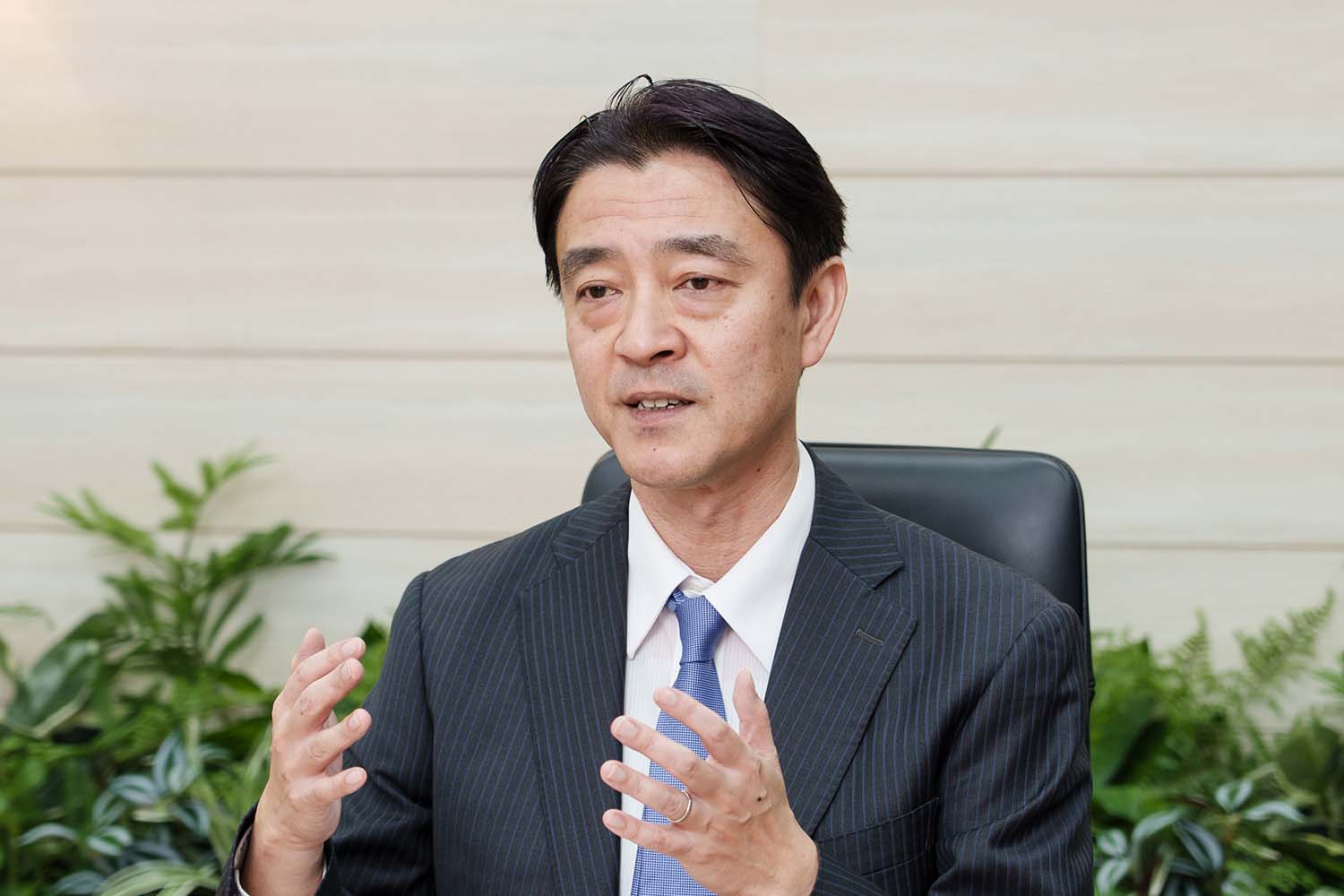


What is Required to Drive the Growth of Japanese Startups and Reinvigorate the Investment Chain: A Conversation with the CFO of the University of Tokyo and the Executive Director of FinCity.Tokyo
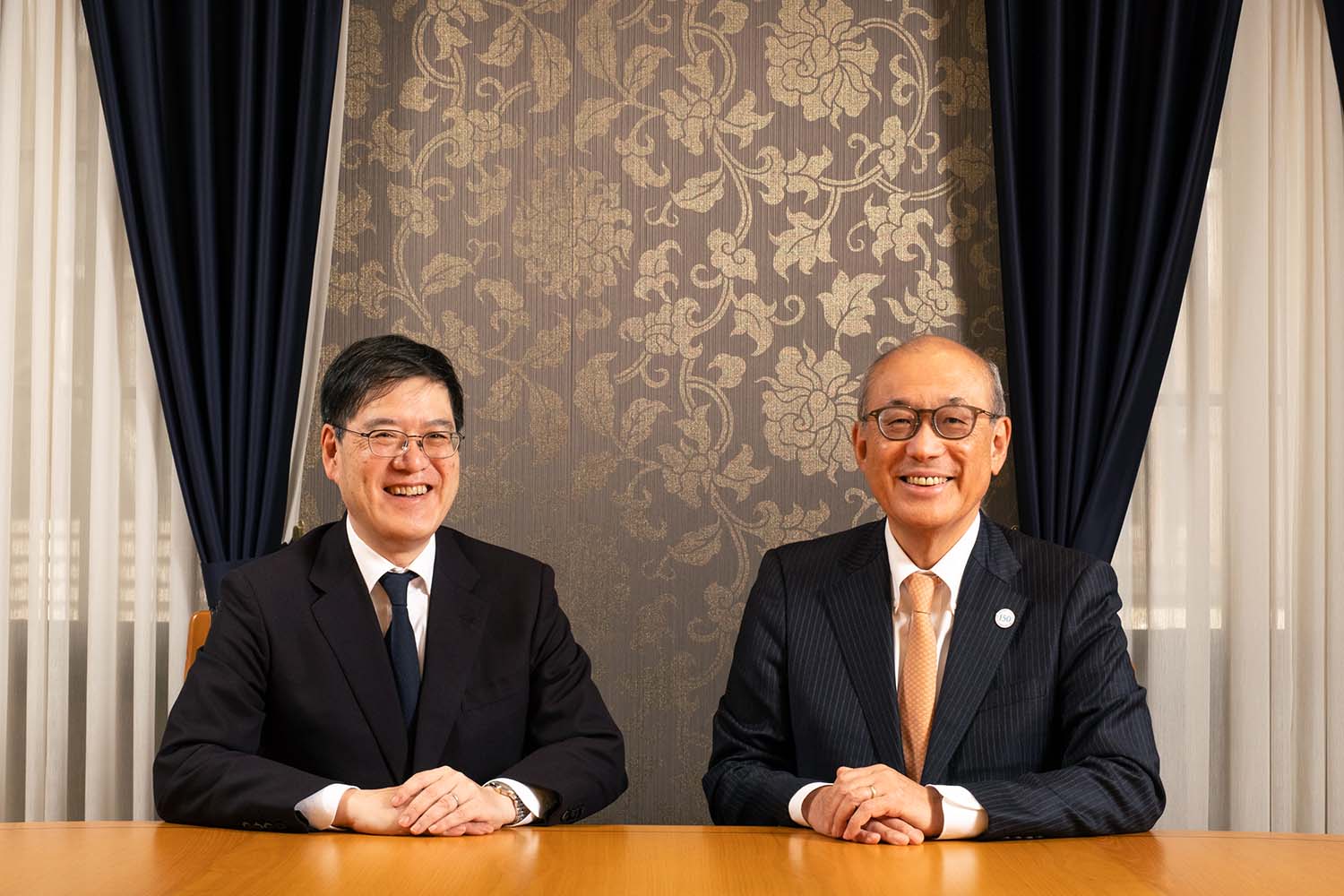
The Next-Generation Finance and Startup Talent Seminar was hosted by FinCity.Tokyo in October 2025. The seminar targeted young professionals, emerging leaders in the financial and startup sectors. It emphasized the importance of strengthening the entire investment chain to realize the vision of “Tokyo as an International Financial City.” Achieving this goal requires more sophisticated efforts from all key players: asset owners, who provide capital; asset managers, who act as intermediaries; and startups, the recipients of investment.
On this occasion, we invited Akira Sugano, Executive Director and CFO of the University of Tokyo and a panelist at the seminar, to discuss key topics with Tokio Morita, Executive Director of FinCity.Tokyo. Their discussion focused on universities’ endowment initiatives, measures to support startup growth, and policies needed to strengthen the investment chain.
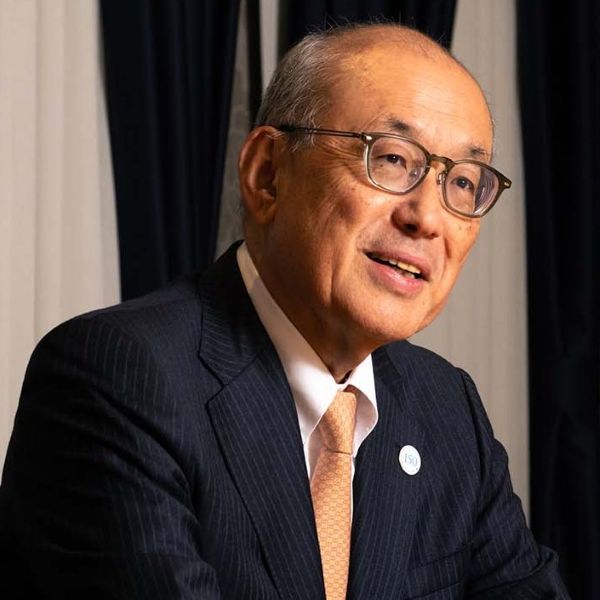
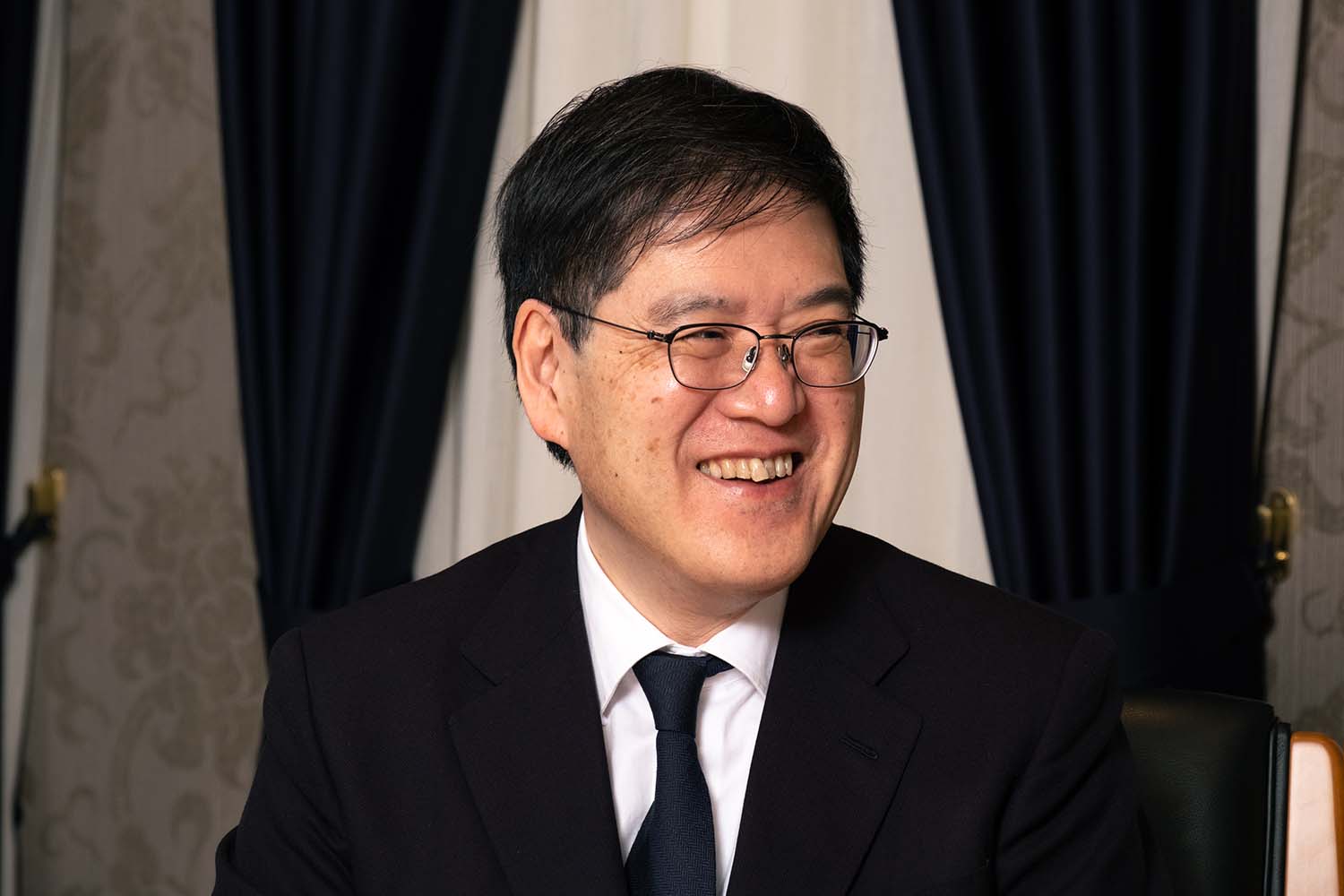
Akira Sugano
CFO, The University of Tokyo
Akira Sugano graduated from the Faculty of Economics at the University of Tokyo in 1982 and completed his graduate studies at the MIT Sloan School of Management in 1986. He began his career at the Industrial Bank of Japan (now Mizuho Bank).
He held several key leadership roles at Mizuho Bank and Mizuho Financial Group, including Managing Executive Officer and Head of Investment Banking and Asset Management (2012), Senior Managing Executive Officer in charge of Global Investment Banking and Asset Management (2014), Head of the Global Corporate Company (2016), and Deputy President (2017). In 2018, he was appointed President and CEO of Asset Management One.
In August 2023, he became the first CFO of the University of Tokyo, serving as Executive Director since April 2024.
Index
Table of Contents
Managing University Endowment Funds
Mr. Sugano, as CFO of the University of Tokyo, you are actively overseeing the university’s endowment. Could you describe the university’s initiatives as an asset owner? Additionally, could you provide an overview of the current status of the endowment fund?
CFO Sugano: The University of Tokyo manages approximately ¥60 billion in total assets, comprising roughly ¥20 billion in donations to the university as a whole and ¥40 billion in donations and bequests to individual departments. The portfolio is allocated approximately 60% to alternatives, 20% to global equities, and 20% to yen-denominated bonds, a structure comparable to American university endowments.
Since April 2023, we have engaged external experts to enhance our management. Over the past three years, the endowment has delivered an average return of approximately 8%, exceeding our 5% target.
While several private universities in Japan hold endowments exceeding ¥100 billion, universities employing sophisticated management strategies like ours—allocating as much as 60% to alternatives—remain relatively few currently.
What types of investments do universities make overseas?
CFO Sugano: Endowment sizes overseas are significantly larger. For example, Harvard University’s endowment is approximately ¥7 trillion, while those of Stanford University and the Massachusetts Institute of Technology are around ¥5 trillion—roughly 100 times the scale of Japanese university endowments.
Yale University has reportedly achieved an average annual return of about 10% over the past decade, with approximately 4–5% of that amount transferred to the university’s budget each year. In the case of Harvard University, the annual transfer from investment earnings alone exceeds ¥300 billion, equivalent to the University of Tokyo’s entire annual budget.
Given this disparity in funding, it is reasonable to expect a corresponding difference in research capabilities.
CFO Sugano: The disparity in financial resources is directly linked to research capabilities and global university rankings. The University of Tokyo was ranked 12th worldwide in 2004, but has since fallen to 26th. While it has recovered somewhat from a period in the 30s, the top positions remain dominated by well-funded universities from the United States and the United Kingdom.
To help close this gap, the government spearheaded the establishment of the “10 Trillion Yen University Fund,” managed by the Japan Science and Technology Agency (JST). Because it would take individual universities too long to accumulate funds on the scale of several trillion yen, the government created a centralized fund and distributes investment gains as grants. The University of Tokyo is currently preparing its application.
Why is the Number of Japanese Unicorns so Low?
One indicator of the gap between Japan and the rest of the world is the number of so-called “unicorns.” While the global total is estimated at around 2,200, the number of Japanese companies is remarkably low, at approximately seven or eight. What do you believe explains this discrepancy?
CFO Sugano: Several factors contribute to this situation. First, entrepreneurs in Japan tend to be less willing to take risks. In contrast, countries such as the United States have a strong culture of risk-taking, encouraging individuals to challenge themselves and to try again after failure. This difference in mindset is a major factor behind the relatively low number of unicorns in Japan.
If mindset is a key factor, closing the gap is likely to take considerable time.
CFO Sugano: Several factors beyond mindset contribute to the low number of unicorns in Japan.
First, many startups—particularly university-based startups—already possess initial “seeds,” such as core technologies or concepts, at the time of founding. While launching may proceed smoothly, scaling up requires management resources, which are in short supply. Specifically, there is a shortage of human resources with management expertise. While scholars and students with specialized knowledge can serve as CTOs (Chief Technology Officers), there is a lack of CXO talent necessary for growth, including:
・CEOs responsible for overall management,
・CFOs to manage finance, and
・CMOs (Chief Marketing Officers) to drive sales.
In Japan, such talent is largely confined to large corporations and is generally unavailable to support startups. This represents a major challenge for scaling.
Second, Japan’s sizable domestic market, with a population of approximately 120 million, reduces the incentive for companies to target global markets. Many startups are satisfied achieving moderate domestic success and do not aim for substantial growth. Consequently, even companies that label themselves as “unicorns” often remain small, reaching market capitalizations of around ¥3–5 billion without further ambition.
Third, funding gaps persist. In the United States, angel investors support seed-stage companies, and venture capitalists invest as companies scale. In Japan, while seed-stage investors are relatively plentiful, the number of investors willing to participate in growth-stage funding—typically around ¥1 billion investment units—drops sharply. As a result, even promising startups often struggle to expand.
These factors, acting in combination, create an environment in which unicorns are less likely to emerge, not only compared to the United States but also relative to other Asian markets such as Singapore.
Mr. Morita, how do you view this situation?
Executive Director Morita: One key challenge in Japan is that exit strategies are heavily biased toward IPOs. Statistics indicate that approximately 75% of exit strategies in Japan involve IPOs, compared with around one-third in Europe and the UK, and roughly 10% in the United States.
This extreme reliance on IPOs creates strong incentives to pursue rapid IPOs for smaller companies in order to recover funds quickly. As Mr. Sugano noted, entrepreneurs often seek to recoup their investments promptly, and investors—particularly those affiliated with banks or securities firms—face similar pressures for quick exits.
Such a lack of patience frequently results in IPOs being forced within just a few years, leading to insufficient investor support for post-IPO growth and a weak management support system.
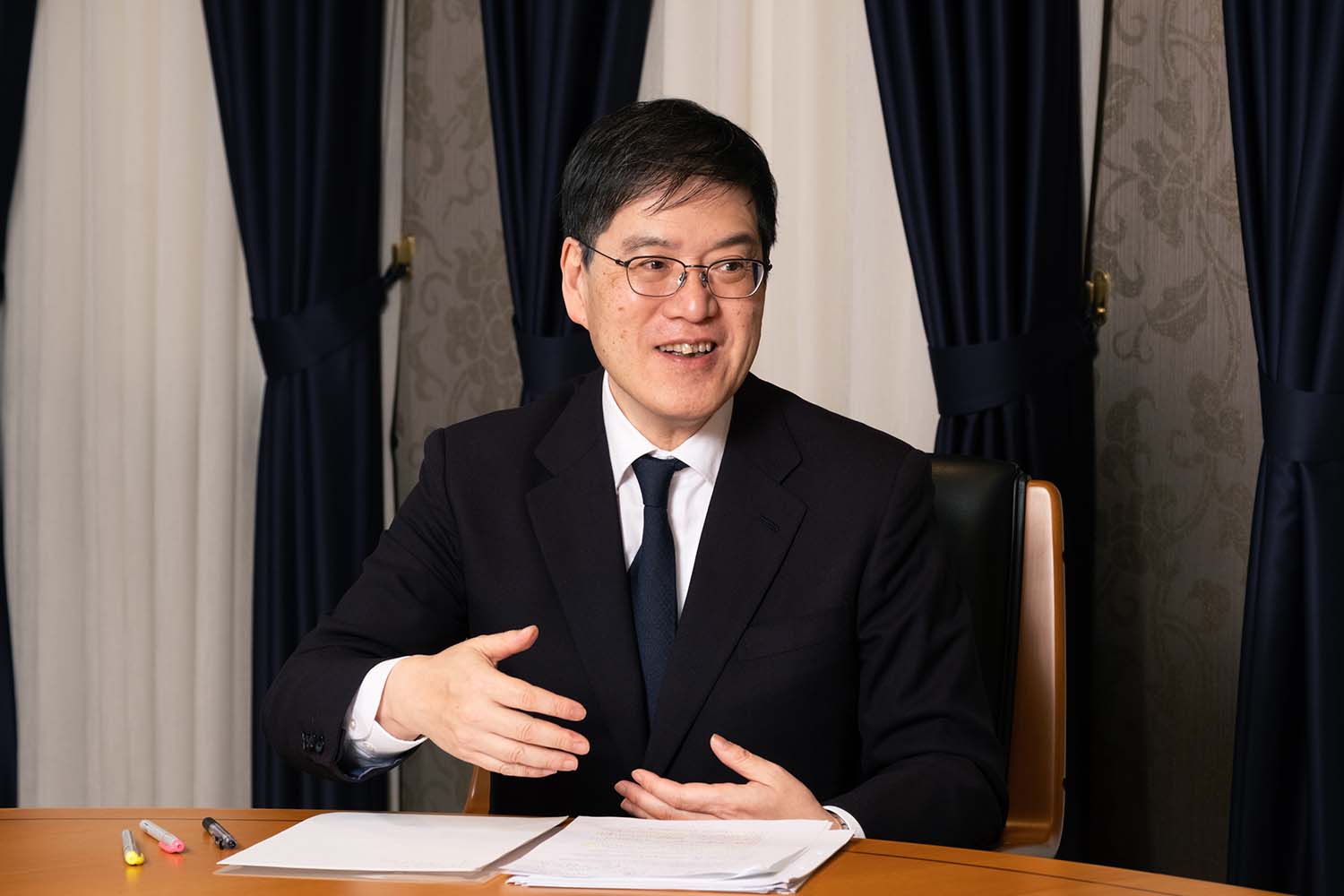
CFO Sugano: As I noted earlier, the third issue is that the Japanese market itself is not globally oriented. In contrast, in countries with smaller domestic markets, such as Singapore, entrepreneurs typically adopt strategies targeting the broader Asian region from the outset. In Japan, by comparison, companies can achieve a certain level of success and even reach an IPO without taking significant international risks. These market conditions likely contribute to the relatively low number of unicorn companies in Japan.
Executive Director Morita: Mr. Sugano, I would like to ask about recent changes in IPO regulations. In March 2025, the Tokyo Stock Exchange tightened listing standards for its growth market, including a requirement for a minimum market capitalization of ¥10 billion within five years of listing. This change is expected to reduce the number of smaller listings and improve the overall quality of listed companies.
At the same time, the extended timeline to IPO may complicate investors’ efforts to realize returns. What is your perspective on this change?
CFO Sugano: In short, I expect an increase in M&A activity. As the hurdles for IPOs rise, more companies will increasingly pursue exits via M&As rather than rushing into IPOs.
For example, Urban X Technologies Inc., a venture originating from the University of Tokyo, was acquired in July 2025 by Zenrin, a company well-known for its car navigation maps.
I believe the tightening of IPO standards is fundamentally appropriate. Requiring companies to aim for a market capitalization of at least ¥10 billion encourages them to plan from the outset for management structures, global strategies, and funding aligned with that goal. Adopting a backcasting approach to management—working backwards from the desired outcome—is likely to have a positive impact.
Supporting Japanese Entrepreneurs to Compete Globally
It is clear that a range of factors make it difficult to nurture unicorn companies in Japan. In this context, what support is necessary for Japanese entrepreneurs and startups to compete globally?
CFO Sugano: First, I believe that changing the mindset of entrepreneurs is crucial. Ideally, Japan would become a society more tolerant of failure, but such a shift cannot be achieved overnight.
Second, addressing the shortage of management resources is essential. Initiatives are already underway—for example, the University of Tokyo’s UTokyo IPC and Kyoto University’s Kyoto University Innovation Capital (KYOTO-iCAP) maintain pools of management talent to match startups with CEOs, CFOs, and CMOs critical for growth.
However, as mentioned earlier, a severe talent shortage remains. Unlike in the United States and Europe, there is limited mobility of talent from large corporations. Even when individuals do move, they are often successful veterans seeking to “mentor younger talent” rather than take on hands-on roles as CFOs or CMOs. While valuable, this approach is insufficient for significant growth. Simply appointing outside directors to provide oversight is not enough; companies need people who can actively drive expansion.
To build this talent pool, university-affiliated venture capital firms are currently acting individually, but a more organized, systemic approach is required. In the U.S., major venture capital firms maintain dedicated talent pools. Government policies should also encourage greater mobility of skilled human resources to support startup growth.
What are your thoughts on the earlier point regarding the Japanese market—that, because it is relatively mature, companies can achieve a certain level of success domestically?
CFO Sugano: Regarding the third issue I mentioned earlier—that Japan’s market lacks global ambition and needs to pursue greater internationalization—the University of Tokyo has launched several initiatives to provide entrepreneurs with global exposure.
For example, we are partnering with a venture capital firm based in Silicon Valley to introduce Japanese entrepreneurs and create opportunities for them to broaden their global perspectives. We are also collaborating with a Singapore-based venture capital firm to support expansion into the Asian market.
While there are limits to what a university can achieve on its own, we are focusing on initiatives where we can make a meaningful contribution.
What about financial support for startups?
CFO Sugano: This is primarily an issue for asset owners—the providers of capital—including pension funds and individuals investing through mutual funds. Asset owners need to position venture capital and other alternative investments, which involve higher risk but offer higher potential returns, as part of their portfolios. If this trend advances, the supply of capital for growth-stage companies should increase.
In the United States, approximately 5–10% of university endowments are invested in venture capital, including startups originating from the universities themselves. When these companies grow and go public, the resulting capital gains flow back to the universities and are reinvested, creating a virtuous cycle.
In Japan, university endowments are still too small to generate such a cycle. However, large asset owners—such as the Government Pension Investment Fund (GPIF) and the Pension Fund Association—have significant potential. If they expand their allocation to risk assets such as venture capital, the shortage of growth-stage funding could be significantly alleviated.
Executive Director Morita: It is important not only for asset owners but also for entrepreneurs to actively seek investment. What entrepreneurs often lack is someone who can translate their innovative technologies into terms that investors can clearly understand—in other words, someone who can effectively bridge the gap between technology and business.
No matter how remarkable the technology may be, entrepreneurs will struggle to secure funding unless they can articulate a clear vision for how it can be developed into a viable business and convincingly communicate that vision to investors.
In this sense, Japan has been somewhat slow in building effective bridges between asset owners and entrepreneurs.
CFO Sugano: That is correct. Universities in Japan still tend to be internally oriented. Although the University of Tokyo aims to be a “university open to society,” its communication capabilities and institutional systems remain largely inward-focused.
The biggest challenge lies in commercializing the innovations generated within universities. This requires engaging with investors and potential M&A partners, clearly communicating the value of the underlying technologies, and discussing the economic value they can create in order to translate them into viable businesses.
Because individuals who can both conduct advanced research and communicate effectively with the business and investment community are rare, universities need to strengthen their capacity to bridge this gap.
Revitalizing the Investment Ecosystem
So far, we have discussed the support measures needed to foster the growth of Japanese startups, as well as the fund at the University of Tokyo with which Mr. Sugano is affiliated.
Next, I would like to focus on the financial perspective. With regard to the “investment chain”—from fund providers (asset owners) to intermediaries (asset managers)—what challenges and issues do you typically encounter?
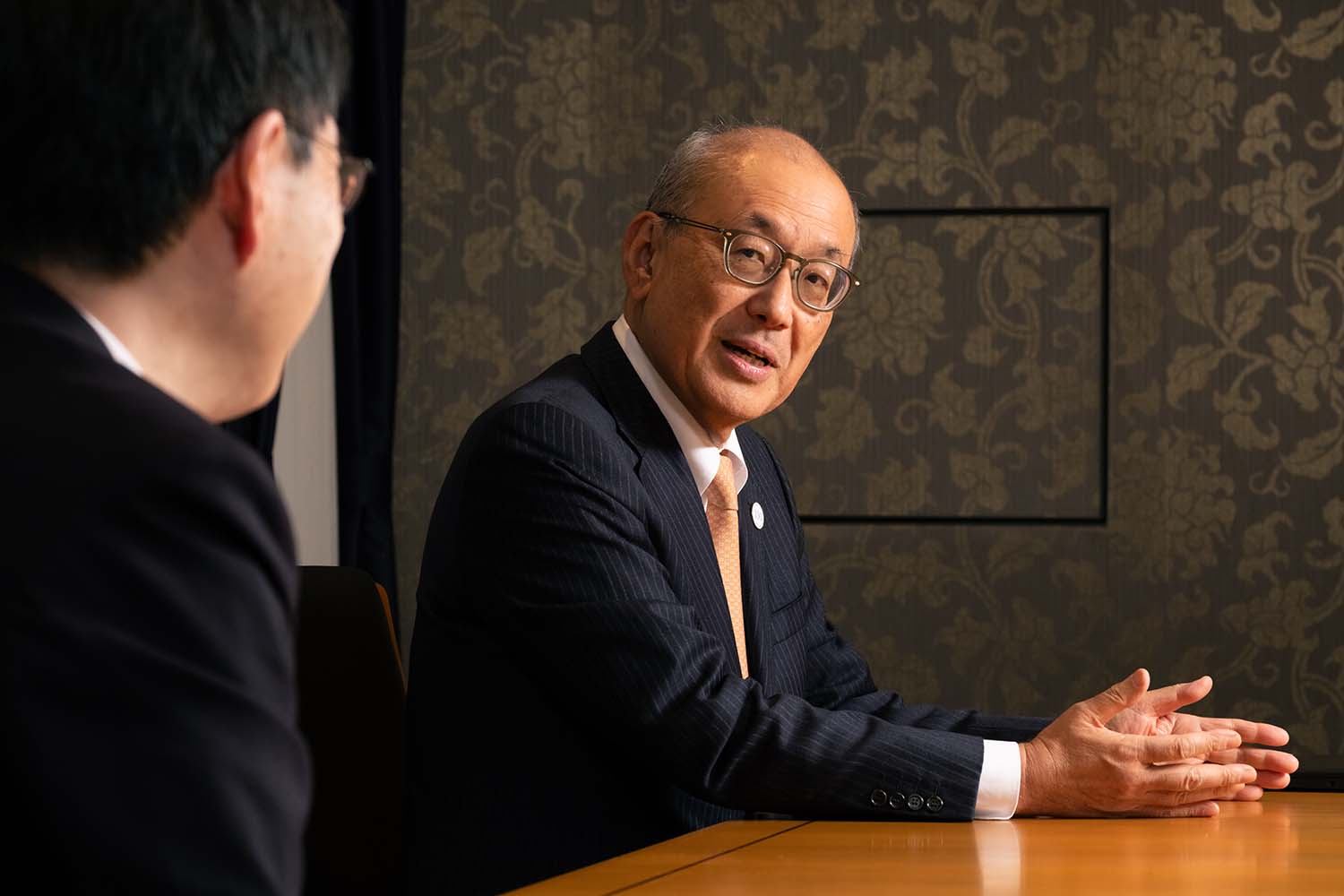
Executive Director Morita: I believe Japanese asset owners have traditionally been cautious about taking risks. However, if institutional investors—who are in a position to take long-term risks—do not do so, it is unlikely that others will. This is an issue that needs to be addressed. At the very least, it is important for each asset owner to improve transparency regarding whether their current investment strategies are truly appropriate. Greater transparency can help stimulate discussions about how investment approaches should evolve.
As for asset management firms, one overseas investor once remarked, “Japan has about 80 asset management firms of a certain scale, and 70 of them are essentially doing the same thing.” This observation highlights the importance of adopting a wider variety of investment strategies.
CFO Sugano: This may sound somewhat critical of current Japanese asset managers, but many appear to be pursuing very similar strategies. They typically manage Japanese equities, Japanese bonds, and quantitative strategies, while outsourcing more complex asset classes such as foreign investments.
This approach limits diversity in investment strategies. What is needed are asset managers willing to take on differentiated risks and pursue distinctive strategies—greater diversity in investment approaches is essential.
FinCity.Tokyo has launched an initiative called the Emerging Managers Program (EMP) to support emerging asset managers (EMs). Do you think initiatives like this are effective?
CFO Sugano: Well-capitalized, forward-looking investors should actively support the development of new asset managers through initiatives such as the EMP. They need to recognize that nurturing managers with risk profiles that differ from their own portfolios can contribute to improving their performance over the medium to long term.
Executive Director Morita: In the United States, there is an ecosystem where a variety of asset owners and emerging managers interact to address their investment needs. Japan should likewise foster a diverse range of distinctive emerging managers and work to establish a similar ecosystem.
What is expected of the next generation to enable Japan to take a major leap forward?
Thank you. In conclusion, what message would you like to share with the next generation of leaders in finance and asset management?
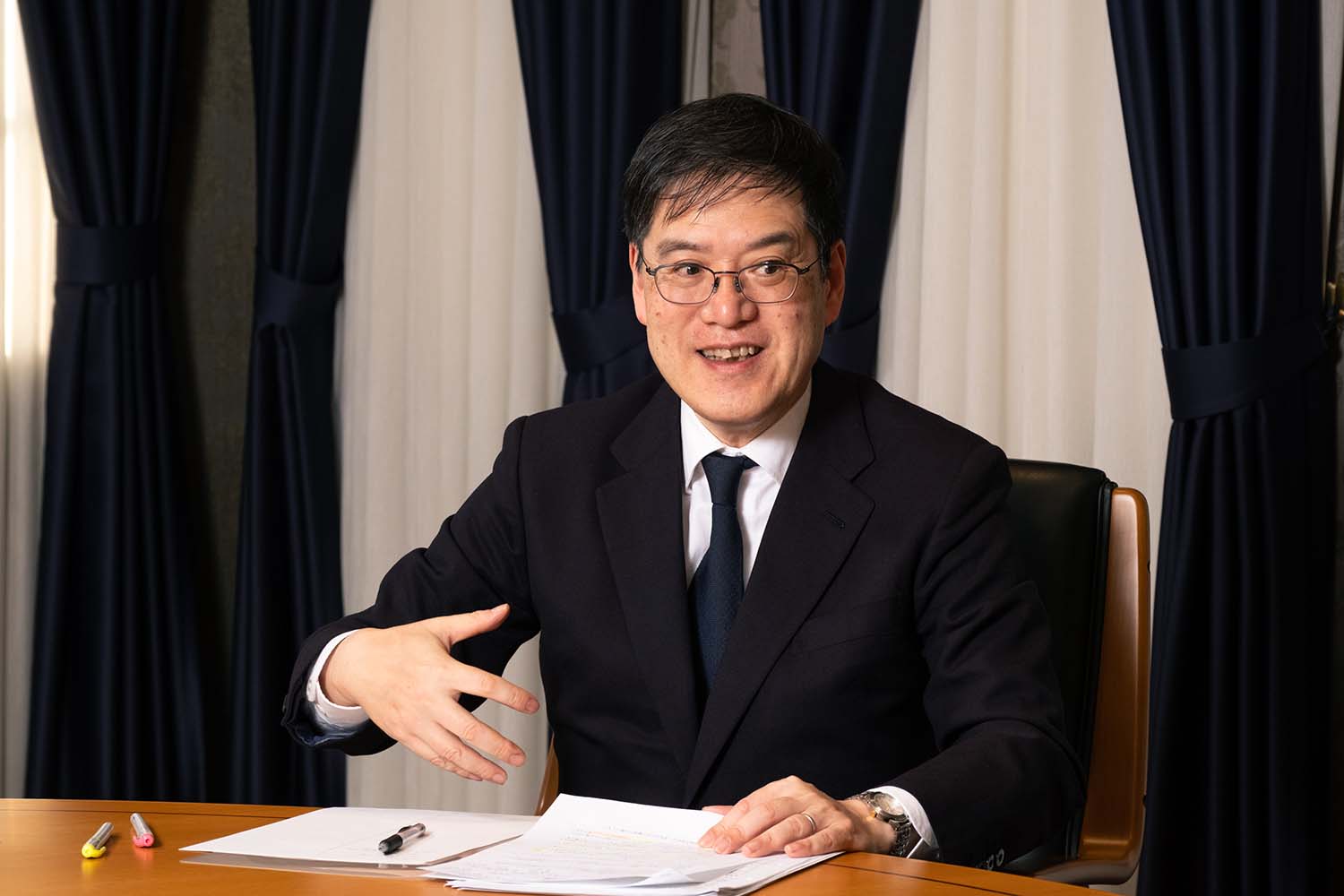
CFO Sugano: I hope they are willing to take meaningful risks. For instance, taking a gap year to travel and gain international experience—something common among students overseas but still rare in Japan. Pursuing one’s interests while considering both societal impact and personal growth can lead to greater fulfillment. The university encourages and supports this approach.
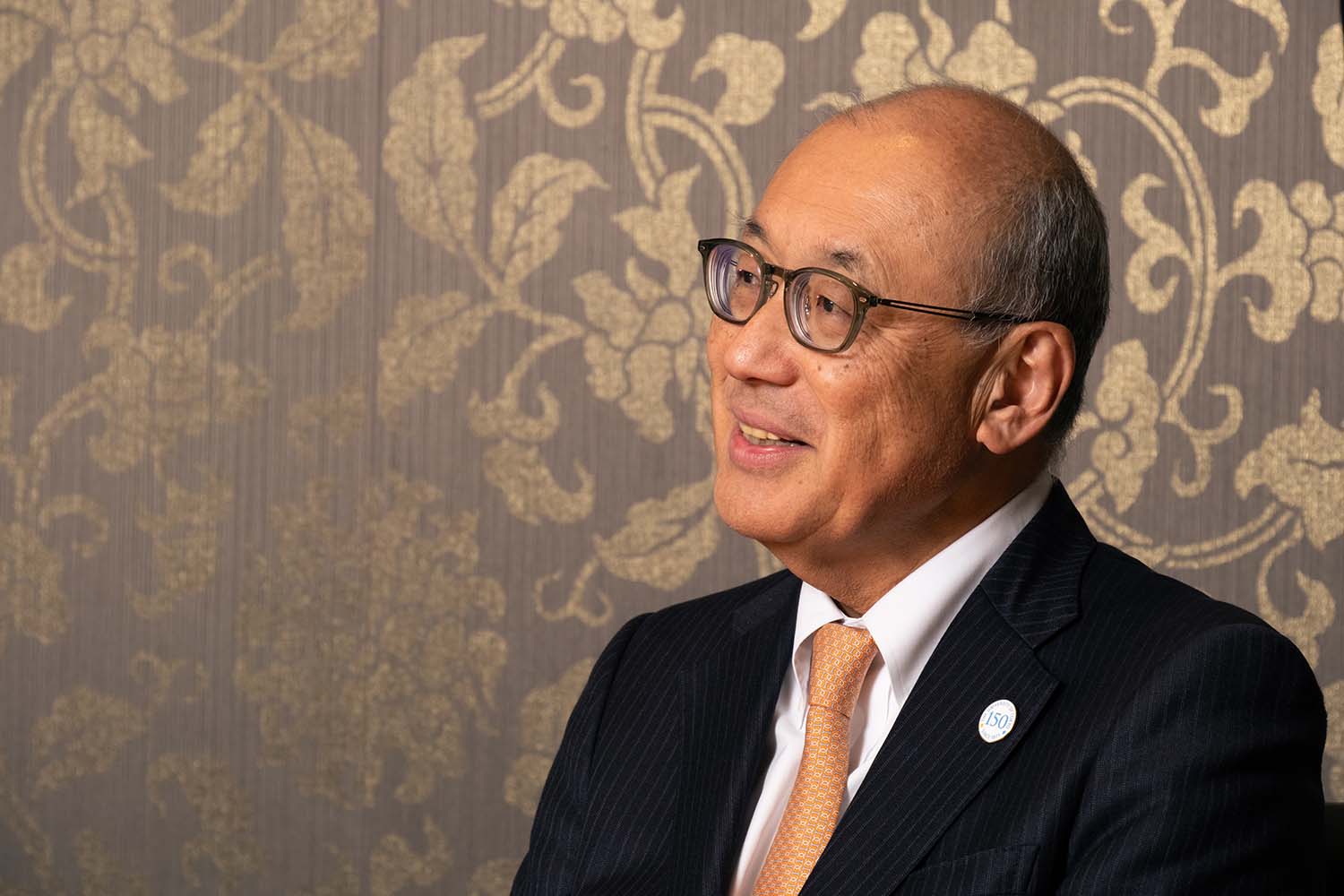
Executive Director Morita: I would like to encourage everyone to cultivate a global perspective. Japan’s domestic market is contracting due to population decline and an aging society. However, the global market offers abundant opportunities. I hope young people will embrace the spirit Mr. Sugano mentioned earlier—gaining international experience and contributing to society.
Thank you very much for your valuable insights.
Thank you for watching until the end.
The session of the “Next-Generation Finance and Startup Talent Seminar,” featuring CFO Akira Sugano, who we interviewed today, is now available on YouTube. We invite you to watch it at your convenience.
What can be done to make startups grow exponentially? | Next-generation finance and startup talent seminar
Related
関連記事