


Shaping the Future of Sustainable Finance: From Tokyo to the Global Stage
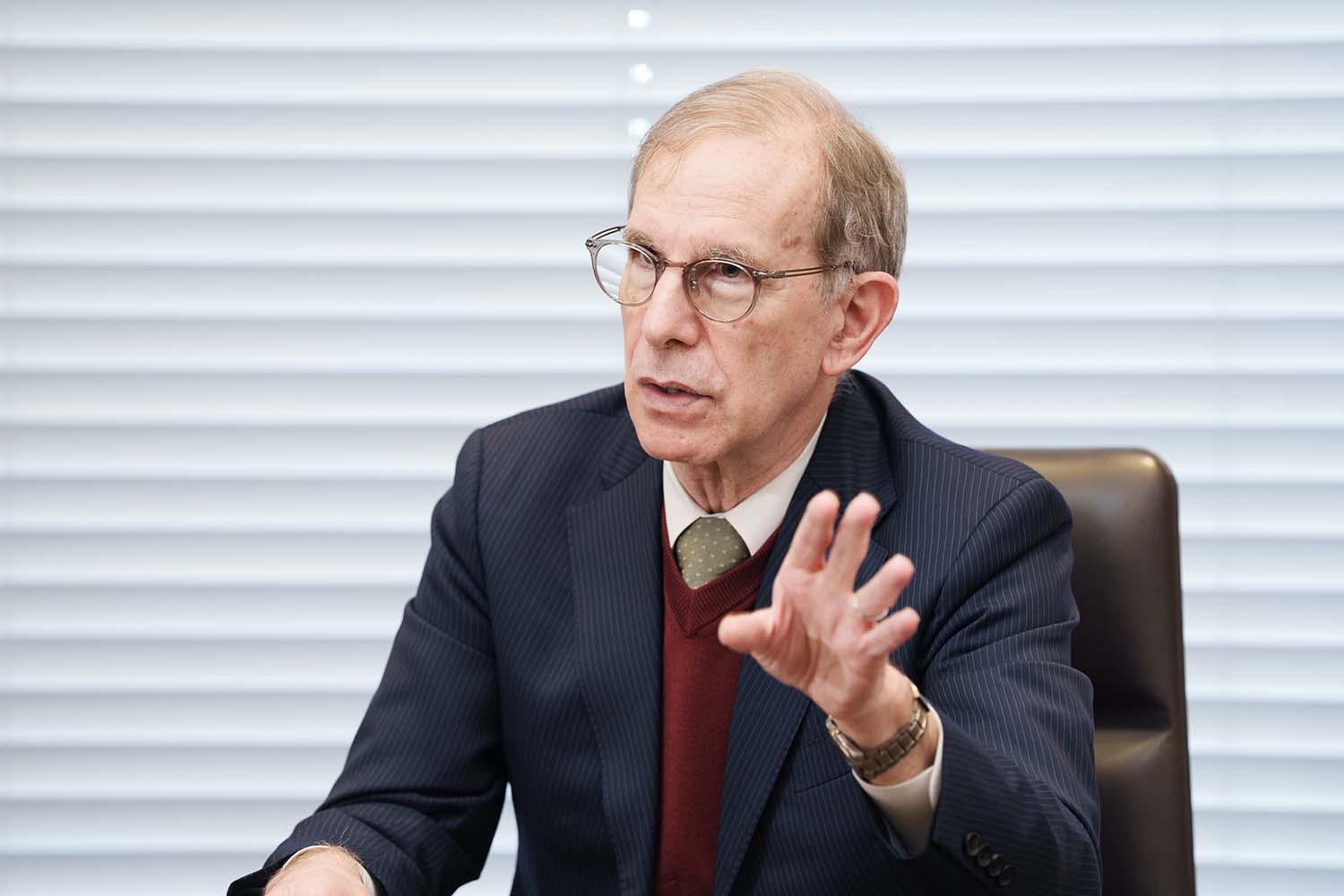
The Tokyo Sustainable Finance Forum, hosted by FinCity.Tokyo in October 2025, convened leaders from government, finance, and business under the theme “Exporting Japan’s Sustainable Finance Strategy to the World.” The forum focused on initiatives necessary to develop a sustainable financial system guided by Japan.
Environmental challenges such as global warming, increasingly severe natural disasters, and energy constraints are pressing issues worldwide. Globally, ESG investing has emerged as a key mechanism to promote economic activities with lower environmental impact. In Japan, the government has introduced its GX Strategy, aiming simultaneously to reduce greenhouse gas emissions and foster economic growth.
For the occasion, Robert Alan Feldman, Senior Advisor at Morgan Stanley MUFG Securities Co., Ltd., served as a keynote speaker, sharing his insights on the initiatives Japan should pursue to balance environmental sustainability and economic development.

Robert Alan Feldman
Senior Advisor, Morgan Stanley MUFG Securities Co., Ltd.
Robert Alan Feldman joined Morgan Stanley Securities Co., Ltd. (now Morgan Stanley MUFG Securities Co., Ltd.) as Chief Economist in 1998 and has served as a Senior Advisor since 2017. Between 2017 and 2022, he taught at the Tokyo University of Science Graduate School of Business, Department of Management of Technology (MOT), and he currently holds the position of senior professor there. He has also served as a council member for the Japan-US Friendship Commission and as an outside director of ORIX. From 2000 to 2020, he was a commentator on TV Tokyo’s World Business Satellite. Dr. Feldman received his Ph.D. in Economics from the Massachusetts Institute of Technology and his B.A. in Economics and Japanese Studies from Yale University. He first came to Japan in 1970 as an AFS exchange student, spending one year at Nanzan High School in Nagoya.
Index
Table of Contents
Japan’s Green Transformation (GX) Strategy and ESG Investment
Since the United Nations adopted the SDGs in 2015, ESG investing has gained significant traction among investors and the broader public. However, in recent years, the ESG sector has encountered considerable headwinds, with fund outflows reaching record levels. In this context, how do you assess the current state of ESG investing?
Feldman: While there is a tendency to regard ESG initiatives as non-urgent or to view climate change as a secondary priority, such perspectives are misguided. These attitudes neither reduce CO2 emissions nor mitigate the impact of natural disasters such as severe storms or avalanches.
The effective integration of the three pillars—Environment, Society, and Governance—is essential. Neglecting environmental challenges can result in consequences such as disrupted crop harvests due to heavy rains and typhoons, or the loss of traditional fishing grounds caused by rising sea temperatures.
On the societal front, disillusionment with political institutions and the media has contributed to growing distrust in the United States and Europe—a trend increasingly observable in Japan as well. Inadequate responses by traditional political parties have further intensified these challenges.
Regarding governance, the central issue is the efficient allocation of capital. While competition should optimize capital use, entrenched vested interests and lobbying can hinder healthy market functioning. Stronger governance is therefore crucial to improving the effectiveness of capital deployment.
From this perspective, the importance of Japan’s GX (Green Transformation) strategy—targeting economic growth, decarbonization, and energy security—has never been greater. At a recent event, I was encouraged by Seiji Kihara, a member of the House of Representatives, who affirmed, “We will continue to move forward with the GX strategy without hesitation.”
ESG investments are likely to require substantial capital. How do you view this challenge?
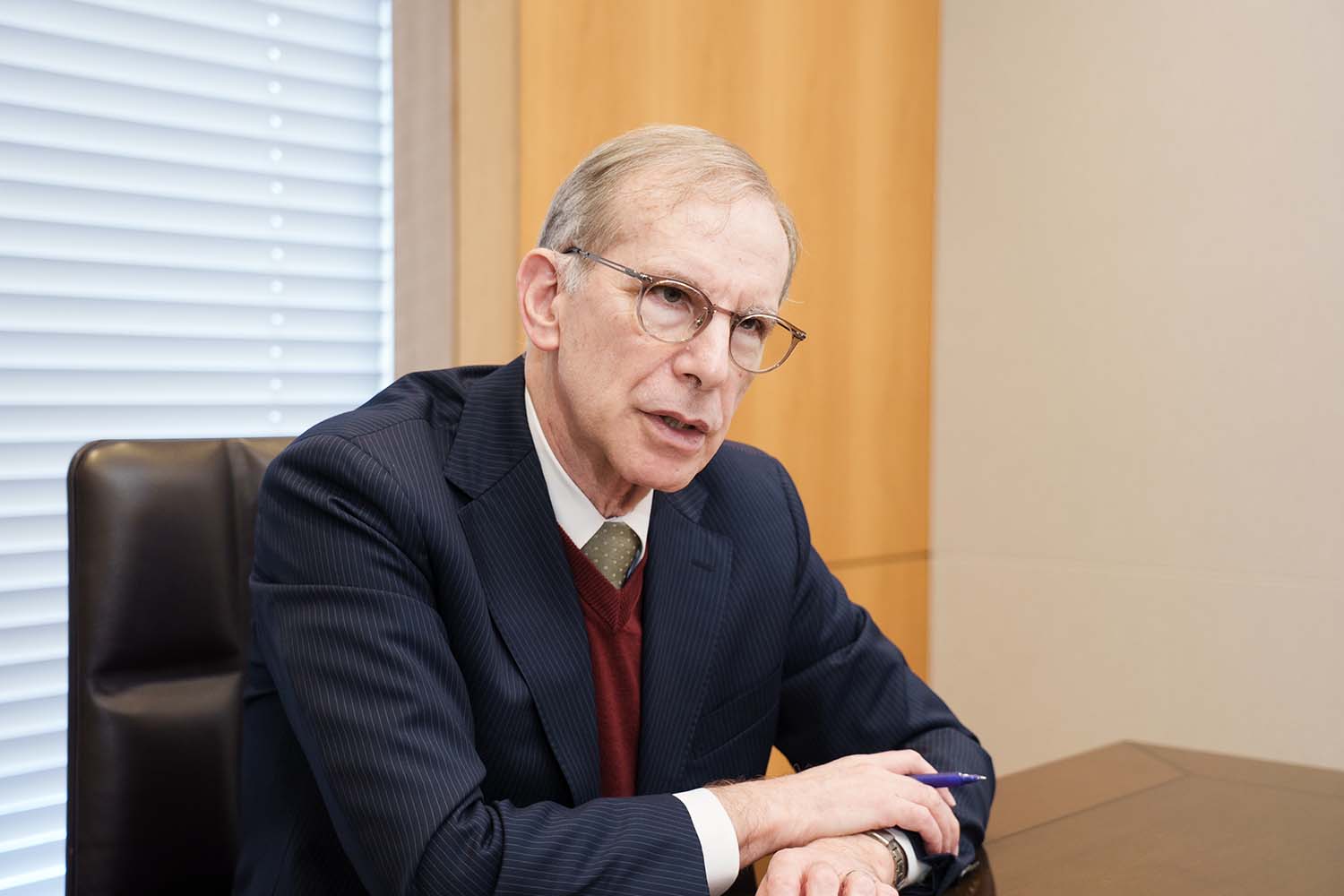
Feldman: The government’s plan to issue GX Transition Bonds is, in principle, commendable. However, the scale and magnitude of the required capital warrant careful consideration. Achieving clean electricity or net-zero emissions would necessitate extensive reconstruction of power generation facilities as well as the power grid, demanding substantial investment.
A more pragmatic approach may involve supporting advances in science and technology to reduce the cost of clean energy, thereby making large-scale infrastructure projects more feasible over time.
Are energy sources such as hydrogen considered part of clean energy?
Feldman: Hydrogen is considered a clean energy source. However, its cost remains higher than that of conventional energy sources, and transportation presents significant challenges.
This underscores the need to reduce the cost of energy production and to enable on-site generation and consumption. Japanese science and technology can play a pivotal role in the necessary research and development, and I believe increased investment in this area is essential.
Deploying Renewable Energy
Recent advancements in generative AI are expected to increase electricity demand, raising questions about how to meet this demand efficiently. At the same time, ESG considerations have brought renewable energy sources—such as wind, solar, and geothermal power—into sharper focus. Would pursuing technological development to expand the share of renewable energy constitute a realistic strategy?
Feldman: On the contrary, foregoing the development of renewable energy would be unrealistic. Reliance on high-CO2-emission fuels, such as coal, poses significant challenges, including supply constraints, long lead times, and volatile prices, all of which can hinder economic growth. At the same time, continued dependence on fossil fuels exacerbates environmental degradation.
Advancing the development of renewable energy is therefore imperative. This must be accompanied by research and development efforts aimed at reducing production costs and improving efficiency.
In recent years, concerns have arisen regarding environmental impacts associated with large-scale solar power plants, leading to a degree of skepticism toward renewable energy. How do you assess this issue?
Feldman: While some negative aspects of solar power are becoming apparent, the issue does not lie with the technology itself, but rather with how it is applied.
For instance, innovative technologies such as Japan’s perovskite materials have been developed. If these technologies could be applied cost-effectively on a large scale—for example, on the windows of large buildings—they have the potential to transform the use of solar energy.
Beyond solar power, which other renewable energy sources merit attention?
Feldman: In recent years, geothermal power has gained renewed attention in Europe and the United States. For example, Finland operates a geothermal plant drilled 6 kilometers underground, while China is advancing a project reaching 10 kilometers. Given that Japan’s hot springs originate only several hundred meters below the surface, these projects demonstrate the remarkable depth of modern drilling technologies. In the United States, geothermal power is also being promoted to meet the growing electricity demand driven by the expansion of AI.
With the development of advanced drilling technologies, geothermal power generation could become a viable option in Japan as well.
Although nuclear power is not a renewable energy source, some argue that it should be pursued due to its low CO2 emissions. How do you assess this perspective?
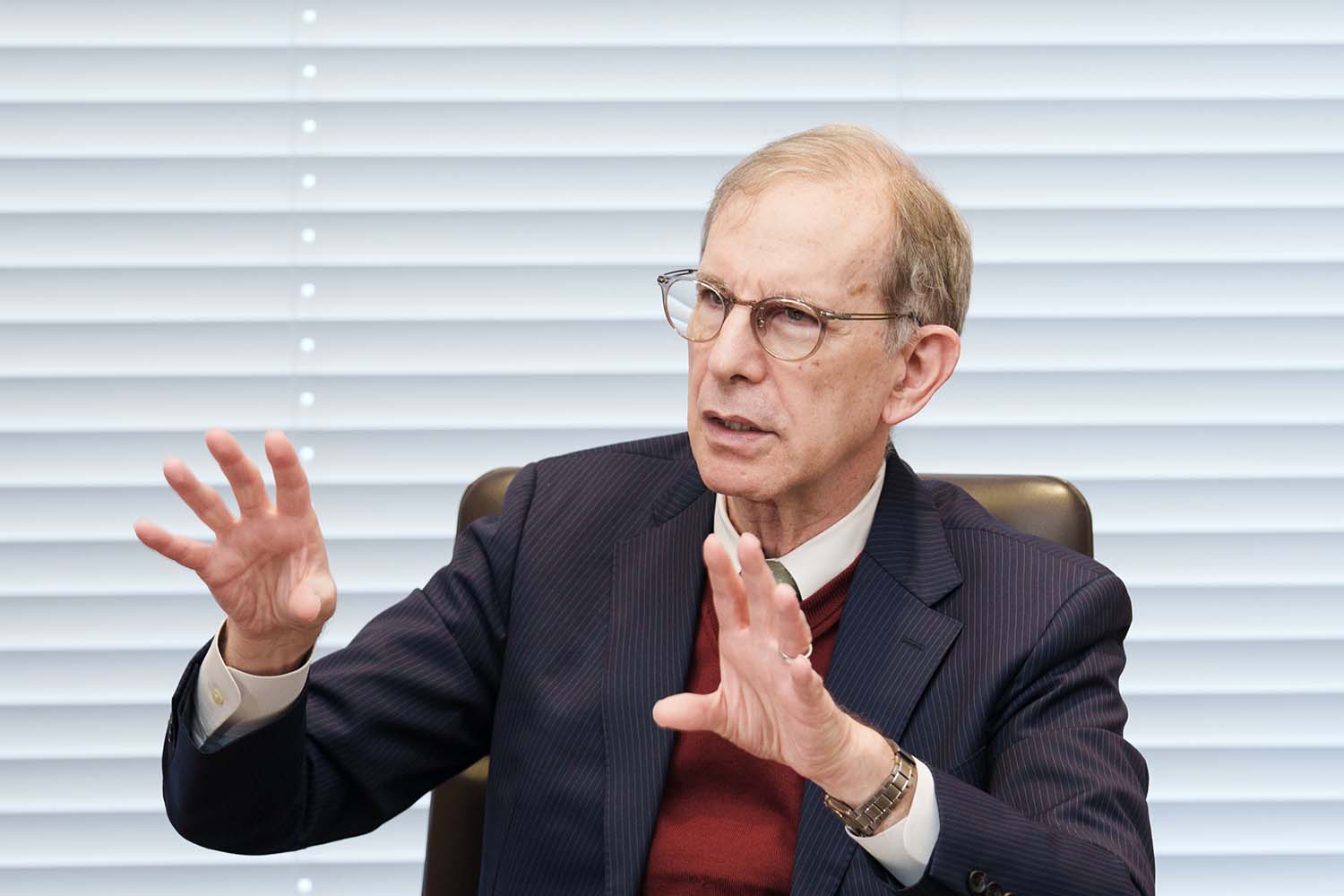
Feldman: It is important to recognize that relying solely on nuclear power is not realistic. While a single nuclear power plant can reduce CO2 emissions by approximately 2 million tons per year compared to coal-fired generation, Japan’s energy plan, as outlined by the Ministry of Economy, Trade and Industry, calls for a reduction of 33 million tons annually between 2031 and 2035. Achieving this target would require constructing 15 to 16 new nuclear plants each year, which is clearly infeasible.
From the perspective of CO2 reduction, it is therefore more critical to advance the development of renewable energy technologies, such as solar and geothermal power, as well as to explore new power generation methods.
In other words, you are suggesting that pursuing a range of technological solutions is the most effective way to address this challenge?
Feldman: Technologies that improve energy efficiency are equally important. For example, when our company relocated to its current building ten years ago, the building manager reported that energy consumption has been reduced to approximately one-third of the levels observed in our previous facility.
That represents a substantial reduction in energy consumption.
Feldman: Many new buildings under construction are expected to achieve even higher levels of energy efficiency. With the emergence of so-called “zero-emission buildings,” it would be effective to revise building codes and implement regulations that promote the adoption of advanced low-energy technologies—for instance, by requiring the installation of energy-efficient fixtures in new constructions.
Reforming Investment Frameworks and Market Structures
In fiscal 2023, the Cabinet approved the Basic Policy for the Realization of GX (Green Transformation), establishing a framework to allocate 150 trillion yen for GX-related investments over the next decade. How do you assess this policy?
Feldman: Allocating 150 trillion yen over ten years corresponds to an annual investment of 15 trillion yen. However, the development of technologies and the realization of returns will take time, and significant short-term effects are unlikely within just one or two years.
Moreover, it remains unclear how the annual 15 trillion yen will be distributed across specific sectors. A thorough evaluation of the government’s growth strategy should be conducted once allocation plans are clarified.
For instance, fusion technology is unlikely to become practical for at least another 15 years. While investment in such medium- to long-term initiatives is essential, achieving more immediate outcomes may be better supported by advancing technologies in solar, geothermal, or wind energy. In addition, the development of energy-saving measures, such as enhanced power conservation and building insulation, would further contribute to progress.
Under GX initiatives, the government is offering subsidies to incentivize technological innovation. How do you assess the effectiveness of this approach?
Feldman: For large-scale investment projects such as GX, private companies alone cannot bear the associated risks, making government incentives, including subsidies, essential. Equally important is the creation of an inclusive market that allows participation from all players.
For instance, if solar panels are installed on a residential roof, selling the generated electricity to a small-scale power company may involve cumbersome procedures, and potential users may be hesitant to engage with a new provider. Such barriers impede the diffusion of innovative technologies. In markets dominated by established players, smaller entrants often struggle to participate.
This illustrates that attention must be paid not only to technological innovation but also to the design of market structures. Even when new technologies are developed and deployment efforts are made, legacy market rules can create resistance from those who perceive the technology as a threat to their position. The challenge lies in addressing these concerns and fostering acceptance.

Given that vested interests exist across virtually all sectors, it is likely to require considerable time and effort to persuade the relevant stakeholders. Would you agree?
Mr. Feldman: The key to progress lies in harnessing the influence of citizens and consumers.
For example, Kitakyushu City once faced severe air pollution, prompting a citizens’ movement that effectively encouraged both the government and businesses to strengthen pollution control measures. Rather than acting in opposition, citizens and consumers collaborated with authorities and industry to address the issue.
Citizens and consumers can play a critical role in persuading stakeholders with vested interests by demonstrating that technological innovation and the entry of new businesses ultimately benefit the entire industry.
Japan’s Global Role and International Cooperation
In developing and promoting new technologies, international partnerships are essential. As the only Asian member of the G7, Japan is well positioned to serve as a bridge to other Asian countries, including emerging ASEAN economies. How do you assess the significance of Japan assuming this role?
Mr. Feldman: I believe Japan has a critical role to play in this regard.
As global energy demand continues to rise, it is essential to promote the adoption of low-environmental-impact energy technologies in regions such as ASEAN and Africa.
However, countries offering new technologies cannot simply assert their merits and expect them to be accepted.
Japan enjoys a high level of international trust, and it is well positioned to facilitate the dissemination of new technologies from a neutral and credible perspective.
In other words, you emphasize the importance of acting from a neutral standpoint.
Mr. Feldman: Another crucial principle is leading by example.
A country that continues to rely heavily on coal lacks credibility when promoting renewable energy.
Japan should actively develop and implement renewable energy technologies, demonstrating through its own actions the pathway it envisions for other nations to follow.
Regarding international relations, Japan’s relationship with China has recently been discussed from the perspective of economic security. Could you elaborate on the future trajectory of this relationship, focusing on economic considerations?
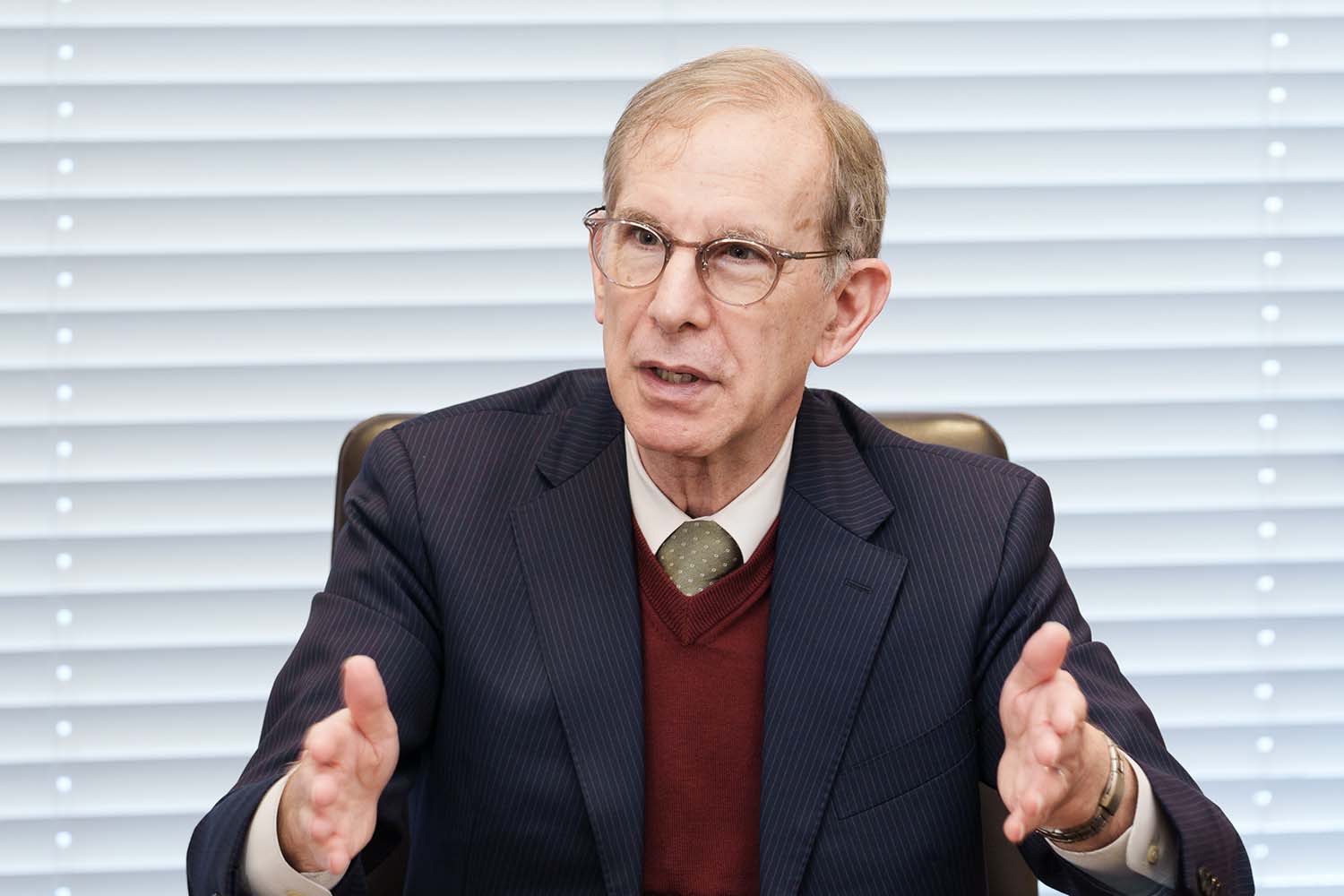
Mr. Feldman: While political issues exist, I believe we should encourage China to collaborate with Japan in utilizing the technologies it has developed. Scientists, I believe, have a desire to advance scientific and technological development independently of politics. I think it’s important to cultivate such scientists and talented individuals.
As for the specifics of “advancing scientific and technological development independently of politics” and “cultivating scientists and talented individuals,” allow me to mention OIST (Okinawa Institute of Science and Technology Graduate University).
OIST is a graduate university that was conceived about 20 years ago. More than half of the faculty and staff, and nearly 80% of the student body, are foreign (as of September 2025). Many of the professors and lecturers are accomplished scholars, including some who have won Nobel Prizes.
Research conducted at OIST has also been used for countermeasures against the COVID-19 pandemic, including PCR tests and face shields to prevent the spread of the virus.
I’ve also heard that a certain number of international students remain in Japan after graduation. If their skills can be put to use in Japan, it offers hope for further strengthening Japan’s science and technology sector.
Tokyo as a Financial Hub
To achieve a sustainable society globally, it is essential for Tokyo—and Japan more broadly—to serve as a financial hub in Asia. What measures do you consider necessary for Tokyo and Japan to effectively fulfill this role?
Mr. Feldman: First, establishing transparent financial regulations is essential, and the Financial Services Agency plays a key role in this process.
It is equally important to ensure that regulations are accessible and understandable to foreign investors. Current Japanese laws and tax systems can be complex for international participants, so legal and tax reforms are necessary to attract global talent and investment to Tokyo and Japan. In certain cases, flexible approaches may be appropriate, such as allowing transactions under British law or the law of the U.S. state of Delaware, rather than strictly applying Japanese law.

Today’s discussion highlighted that, to advance the GX strategy, Tokyo and Japan should lead in technological innovation—particularly in renewable energy—and promote its adoption globally. Equally important is the need to address market structure, mitigate vested interests through collaboration with citizens and consumers, and establish regulatory frameworks that are transparent and accessible to international investors. We sincerely thank you for sharing your insights.
We appreciate your time in viewing this discussion. Mr. Feldman spoke with Seiji Kihara, member of the House of Representatives, at the “Asia Financial Hub Strategy and Japan’s Future” session, part of the Tokyo Sustainable Finance Forum hosted by FinCity.Tokyo in October 2025. The full conversation is available on YouTube, and we encourage you to watch it.
YouTube video
Related
関連記事