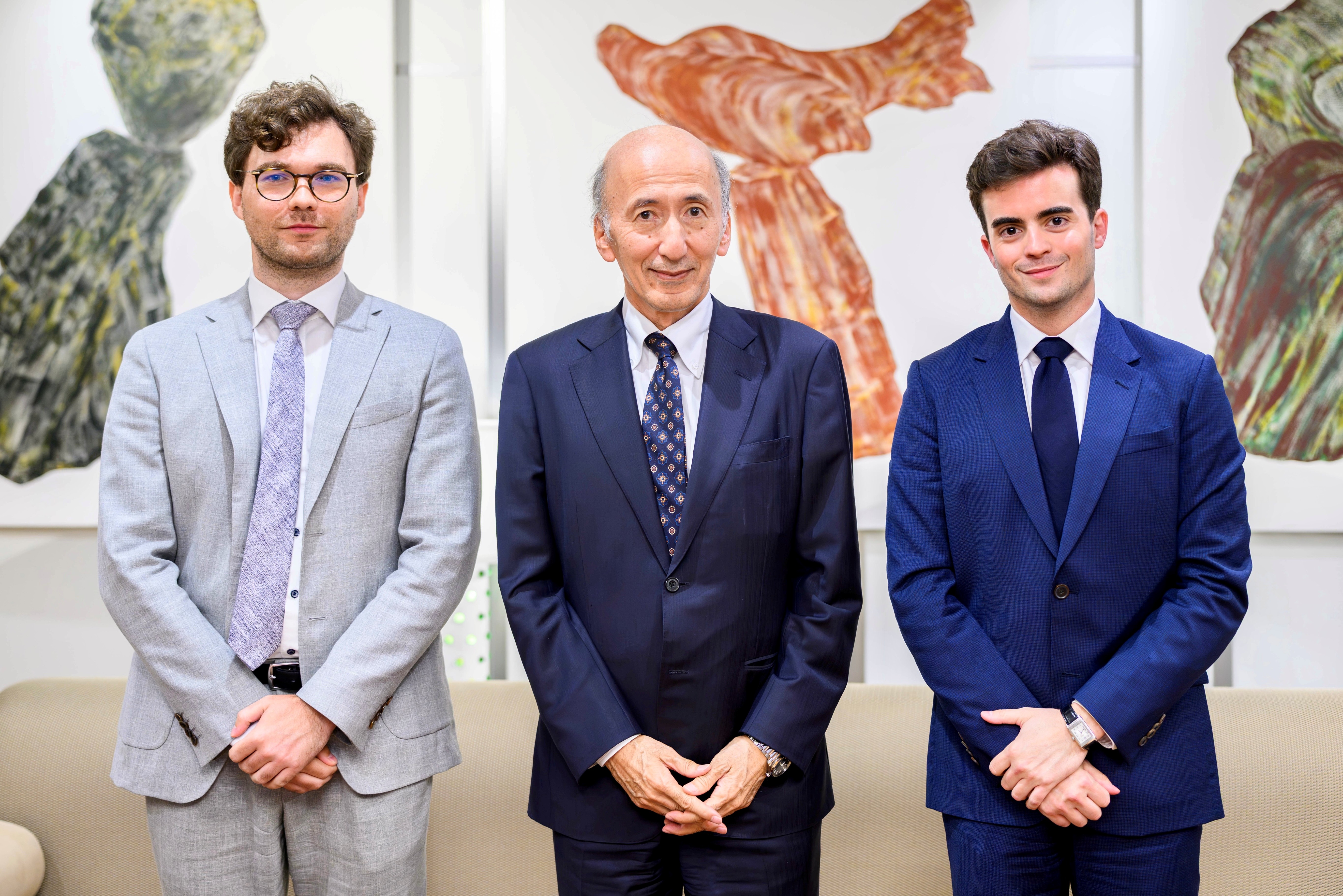


Interview: Strengthening the bonds between Tokyo and Luxembourg
On April 27, during SusHi Tech Tokyo 2026, Tokyo and Luxembourg signed a Memorandum of Understanding to accelerate financial collaboration. We spoke to Tom Théobald, CEO of Luxembourg for Finance, about the importance of the MoU and the collaboration opportunities he sees ahead.
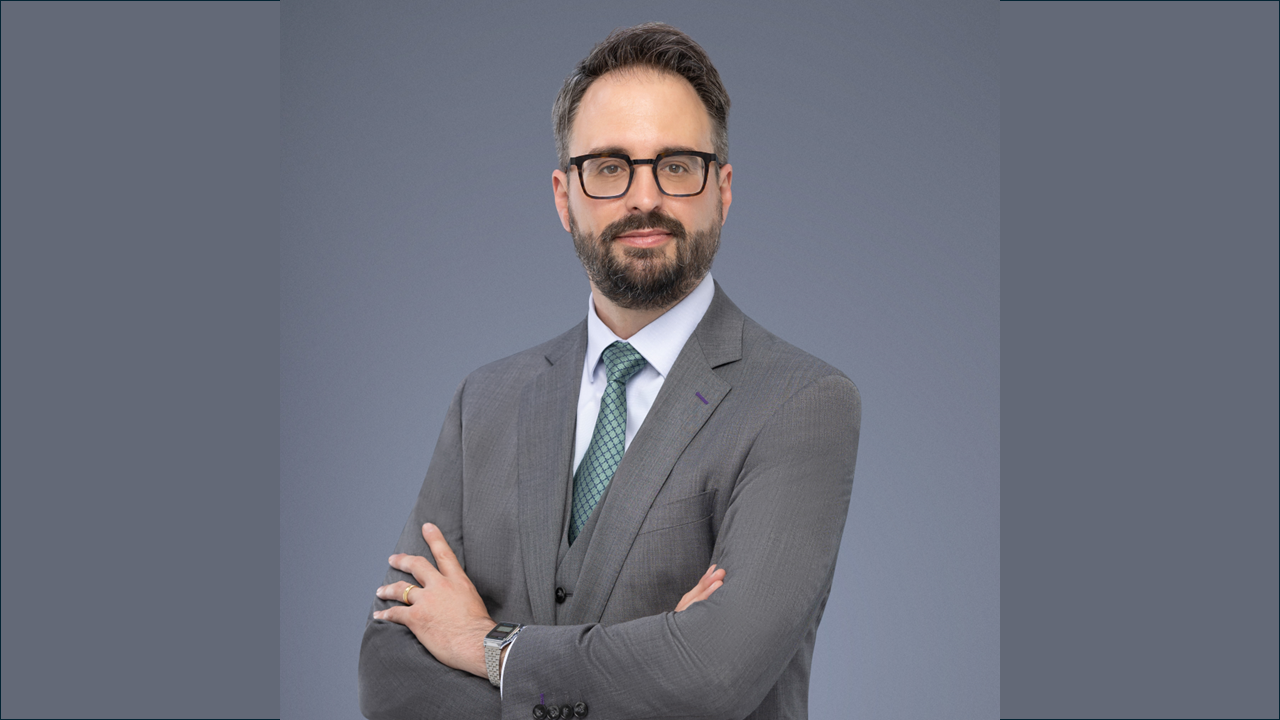
Why is the Tokyo-Luxembourg MoU important at this time?
The MoU represents a desire for joint cooperation to support the development of the financial centres of Tokyo and Luxembourg. In a time of increased geopolitical tension, it sends a clear message of valuing cross-border relationships and globalised financial services. Signing this MoU is also timely, with Japan and Luxembourg celebrating 100 years of diplomatic relations in 2027.
What are the benefits to Luxembourgish and Japanese financial players, respectively?
For Luxembourgish financial players, closer ties with Japan offer access to one of the world’s largest pools of capital, a highly sophisticated institutional investor base and stronger positioning in Asia. It creates opportunities to distribute investment products more widely, build partnerships in asset management and private banking, and deepen engagement in areas such as sustainable finance, fintech and cross-border structuring. For Japanese financial players, Luxembourg provides an efficient gateway to Europe through its established expertise in investment funds, cross-border distribution and international financial regulation. That gives Japanese firms a practical platform to reach European investors, diversify their international footprint and develop products and structures suited to global markets.
This is particularly timely as we see growing demand for diversification from global investors and asset allocators, and both Europe and Japan are benefitting from this trend. Moreover, we share similar challenges in Japan and Europe to boost retail participation in capital markets and turn savings into investments. Given its role as the largest global fund centre in the world, Luxembourg can act as an ideal platform to support these shared ambitions across Japan and Europe.
What collaborative activities do you see resulting from the MoU in the near term? What about longer term?
In the short term we see the MoU as a basis for greater collaboration in particular on joint events and bilateral delegation visits, with the goal of building greater familiarity between the two financial centres and sharing best practices. In the longer term, we hope that this basis also leads to stronger business flows and greater connections between firms represented in Luxembourg and Tokyo.
How do Luxembourg and Tokyo complement each other as finance hubs?
Luxembourg and Tokyo bring highly complementary strengths as financial centres. Luxembourg offers deep expertise in cross-border finance, investment funds, sustainable finance and access to European and global markets, while Tokyo contributes scale, liquidity, a sophisticated domestic investor base and a central role in Asia’s capital markets. Together, that creates practical opportunities for firms and investors looking to connect European and Asian capital, diversify funding and investment channels, and develop stronger cooperation in areas such as asset management, innovation and sustainable finance.
What particular synergies do you see?
One of the most important areas where we can join forces is green finance, particularly transition finance. We both have extensive experience and ecosystems in mobilizing finance for sustainability purposes. Luxembourg Green Exchange, for example, is the world’s leading platform for green, social, and sustainable bonds, and Japan is spearheading the development of the global market for transition bonds. Already Japanese firms have issued a total of 1.4 trillion yen in transition bonds.
I think us working together in this space — as symbolized by the MoU —sends an important signal of collaboration and connectivity in the current geopolitical environment. Humanity is facing severe global challenges and we cannot resolve them by operating in silos. Collaboration across regions is essential, and as leading financial centers Tokyo and Luxembourg can support those efforts globally to mobilize capital where it is most needed.
Related
関連記事