


Expanding Sustainable Finance Initiatives Globally: Regulatory Approaches, Frameworks, and Future Outlook
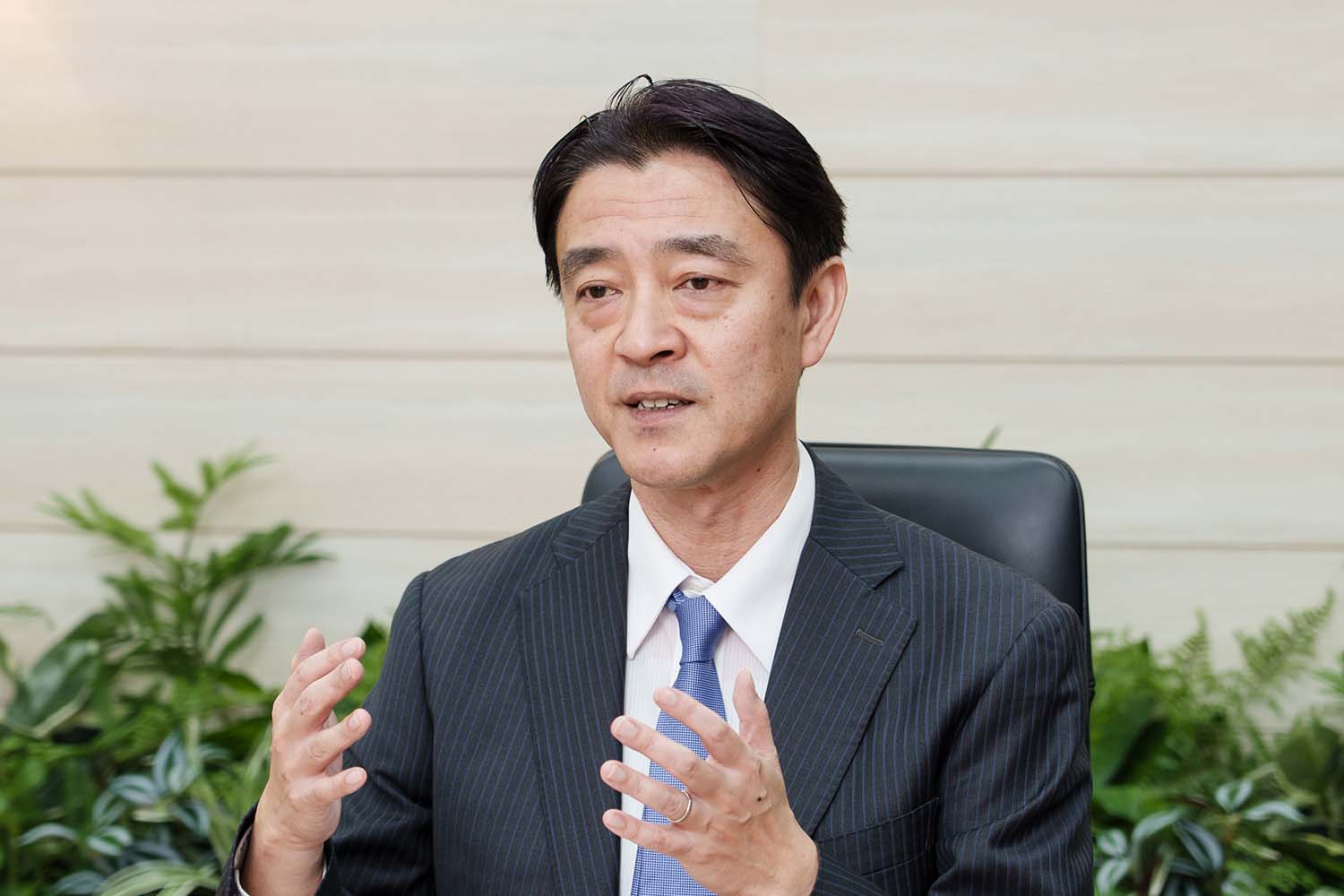
The Tokyo Sustainable Finance Forum was hosted by FinCity.Tokyo in October 2025. Under the theme “Exporting Japan’s Sustainable Finance Strategy to the World,” the forum brought together leaders from government, finance, and business. Against the backdrop of accelerating global efforts toward the Green Transformation (GX), participants discussed the key measures required to achieve both decarbonization and economic growth.
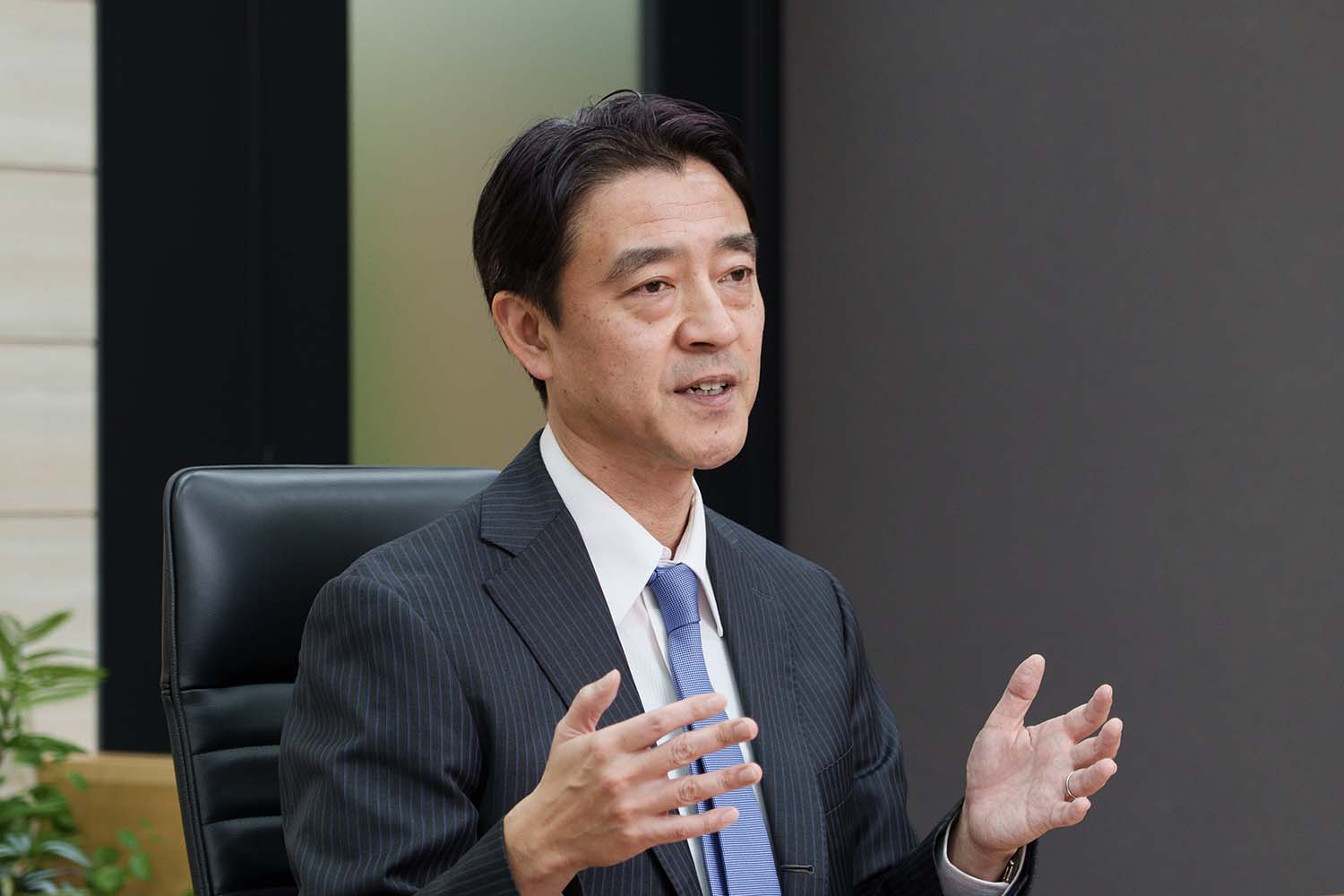
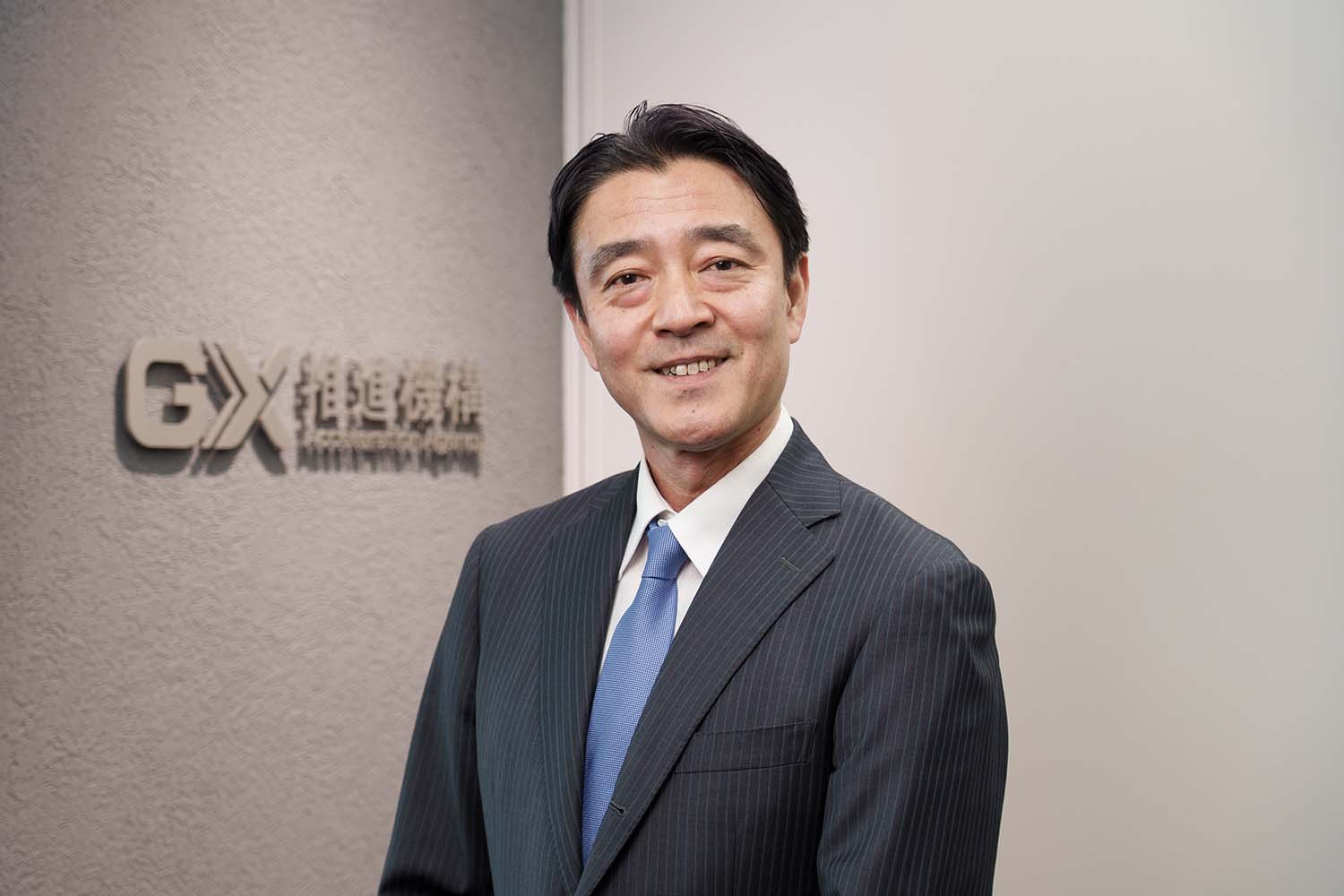
Hideki Takada, Director at the GX Acceleration Agency (Organization for the Promotion of Transition to a Decarbonized Growth-Oriented Economic Structure), served as a panelist at the forum. Drawing on his role in promoting public–private GX investment, he shared his insights on the current state of sustainable finance regulations and policy frameworks, the steps required to scale up these initiatives globally, and the future outlook for the industry.
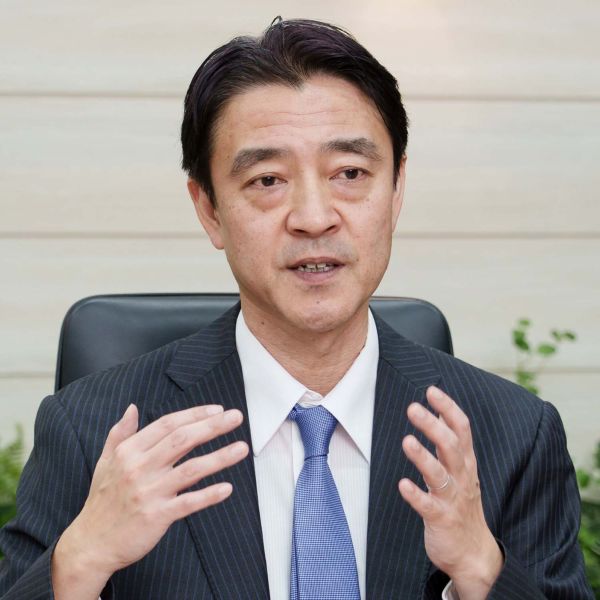
Hideki Takada
Director, GX Acceleration Agency
Hideki Takada joined Japan’s Ministry of Finance in 1995. Over the course of his career, he has held a number of senior positions, including Director of the Public Relations Office in the Minister’s Secretariat, assignments at the Organisation for Economic Co-operation and Development (OECD), Budget Officer at the Budget Bureau, and Director of the Strategy Division at the Financial Services Agency’s Strategy Bureau.
In 2024, he was appointed Director of the GX Acceleration Agency (the Organization for the Promotion of Transition to a Decarbonized Growth-Oriented Economic Structure).
Index
Table of Contents
- Sustainable Finance Poised for Further Acceleration: The Evolving Global Landscape
- Transition finance is an area in which Japan aims to take a leading role globally.
- Competition and collaboration are both essential, particularly collaboration among financial institutions in advancing sustainable finance.
- Who should bear the costs of GX (Green Transformation) initiatives?
- Future outlook
Sustainable Finance Poised for Further Acceleration: The Evolving Global Landscape
Some say that international sustainable finance initiatives face headwinds, particularly in light of past U.S. policies. How do you view the current situation?
Takada: As you note, many are concerned that efforts to combat climate change and promote sustainable finance may be slowing.
I disagree. These efforts are actually accelerating globally. Japan has consistently pursued them, while Europe and the United States are also investing in critical areas such as renewable energy. Companies and financial institutions make investments based on business effectiveness rather than moral or political considerations, which suggests that such investments will continue.
During the previous ESG boom, many companies embraced sustainability and the SDGs primarily as trends. However, in recent years, companies have increasingly adopted a more practical, business-oriented approach.
With respect to developments in the United States under the Trump administration, many Japanese stakeholders anticipated the worst. However, rather than expressing overt concern, the prevailing sentiment emphasized the need to take necessary action.
Takada: In this field, investors take a long-term view, often considering needs 10 to 20 years ahead. Recent short-term trends should not distract from these long-term investment decisions.
What specific initiatives has Japan implemented in sustainable finance?
Takada: Experts have developed key guidelines, including the Green Bond Guidelines and the Basic Guidelines on Climate Transition Finance.
Under the GX Promotion Act (2023), Japan plans to issue approximately ¥20 trillion in Climate Transition Bonds over the next decade to provide pioneering support for private-sector GX investment.
How can sustainable finance regulations and frameworks maintain global consistency while accommodating regional differences in economic development, culture, and values?
Takada: Certain globally shared concepts and frameworks are necessary within sustainable finance. At the same time, the definition of sustainability varies across regions, economic development stages, and industry structures. Geopolitical and geographical factors also matter.
For example, Japan, as an island nation, must meet most of its energy needs domestically, whereas Europe can more readily import energy. Regional differences must also be considered in other sectors.
The term “taxonomy” refers to frameworks used to define sustainability. A prominent example is the EU Taxonomy. What are the strengths and weaknesses of this approach?
Takada: The EU Taxonomy’s major strengths are its clarity and rigor. By categorizing and clearly defining the scope of sustainable finance, it provides investors with clear guidance on sectors and technologies. The Taxonomy has also played a significant role in Europe’s leadership in the global sustainable finance market.
However, its rigor can limit flexibility, as the definition of sustainability varies across regions and can evolve over time. For example, Russia’s invasion of Ukraine has prompted debate on the continued necessity of fossil fuels such as natural gas. Even the defense industry, traditionally outside the scope of sustainable finance, is now considered in some contexts necessary for national security.
The taxonomy approach therefore faces challenges in adapting to changing circumstances.
Although Europe is often referred to as a single region, each country has a distinct history, culture, and economic situation, making consensus challenging. Is the situation similar in Asia, including Japan?
Takada: Each country in Asia has industrial and energy structures distinct from European counterparts. Consequently, applying a uniform taxonomy directly would be challenging.
How does Japan define sustainable finance and establish its scope?
Takada: Japan has established a range of principle-based policy guidelines, including the Green Bond Guidelines and the Basic Principles for Climate Transition Finance. These guidelines outline the fundamental concepts of sustainability but do not provide detailed definitions and standards like taxonomies, relying instead on the judgment of market participants.
A principle-based approach offers greater universality and advantages in cross-border collaboration. Japan’s approach, particularly its transition finance framework, has attracted significant attention in Asia and globally.
Supplementing these guidelines with sector-specific roadmaps can provide market participants with clear guidance and direction.
Transition finance is an area in which Japan aims to take a leading role globally.
You mentioned transition finance. What regulations and frameworks should Japan adopt in this area?
Mr. Takada: Japan established its basic transition finance guidelines in 2021. Sector-specific roadmaps were also formulated for high-CO₂-emission industries and are subject to periodic revision to reflect technological advancements.
Updates were issued in November 2025 for the cement and automotive sectors, and in December 2025 for the electricity and gas sectors. Revisions for other sectors are scheduled for completion within fiscal year 2025.
What is the current status of transition finance internationally?
Takada: Japan’s sector-specific roadmap approach has attracted considerable international attention. In October 2025, the UK published its Sector Transition Plan Guidance, and is now developing industry-specific roadmaps based on this framework.
Interest in transition finance is growing across Europe. In early November 2025, the International Capital Market Association (ICMA) published the Climate Transition Bond Guidelines. For the first time, these guidelines recognize transition bonds as a distinct label, separate from green bonds, acknowledging the need to finance projects that do not fit the traditional Green Bond Principles. This move symbolically demonstrates the acceptance of transition finance in Europe.
Transition finance and GX (Green Transformation) are emerging concepts in which Japan has the potential to take a leading role globally. What role does the GX Acceleration Agency play in this context?
Takada: The GX Acceleration Agency advances policy discussions on GX in collaboration with government ministries and the private sector. It performs a range of functions, including providing financial support for private-sector projects, operating the emissions trading system, and promoting diverse GX policies in its role as a “GX Hub.” Organizations specializing in GX are rare globally, and the Agency has received international recognition for its innovative approach.
Competition and collaboration are both essential, particularly collaboration among financial institutions in advancing sustainable finance.
International collaboration among financial institutions is important for promoting sustainable finance. What is your view on this issue?
Takada: As sustainable finance and climate change mitigation are global issues, cross-border collaboration in finance is crucial. The suspension of the Net Zero Banking Alliance (NZBA) in 2025 was viewed by some as a setback for sustainable finance. However, the financial institutions that withdrew emphasized that, regardless of alliance membership, they would continue to advance their efforts.
Participation in the alliance is not an end in itself; it is a means to achieve carbon neutrality. Diverse and flexible approaches are important, including using the alliance where appropriate, working independently, or pursuing targeted collaborations.
While collaboration among financial institutions toward a common goal, such as GX, is a worthy ideal, these institutions are also competitors. Does cooperation therefore pose practical challenges? Even within the alliance, is there a risk that progress may be hindered by insufficient coordination?
Takada: Financial institutions are inherently in competition, which means there are areas suitable for collaboration and areas where competition is necessary. It is essential to compete where appropriate and cooperate where effective, with the overarching goal of expanding the market as a whole. Within this framework, each institution is expected to pursue its own initiatives.
Sustainability and climate change are global challenges, and collaboration among institutions is valuable in addressing these issues.
Who should bear the costs of GX (Green Transformation) initiatives?
It has been noted that expanding sustainable finance initiatives globally requires ensuring the economic viability and competitiveness of projects. For private companies, it is natural not to pursue projects without a prospect of profitability. What measures are being taken to create an environment and provide policy support that make green projects commercially viable?
Takada: Offering green products and services is essential, but they must be commercially viable to provide sufficient incentive for their development. It is therefore crucial to develop the GX market not only on the supply side but also on the demand side. Both the government and the GX Acceleration Agency are implementing various measures to achieve this.
For example, hydrogen-based projects are being launched, but current costs remain higher than conventional fuels. To address this, the government provides subsidies to cover the price differential. Furthermore, under the Growth-Oriented Carbon Pricing Initiative, an emissions trading system will be introduced from fiscal 2026, making high-carbon goods and services more expensive while enhancing the competitiveness of low-emission alternatives.
In addition, promoting changes in social structures and consumer behavior is critical. The GX Acceleration Agency recently published a report and is conducting research to assess consumer willingness to pay a premium for green products and identify factors that could incentivize such behavior.
You mentioned the importance of encouraging changes in consumer behavior. However, even when products or services are environmentally friendly, consumers may hesitate to choose them if prices are high, particularly in the current context of rising costs. Conversely, if governments provide subsidies to cover the price differential, these costs are ultimately borne by taxpayers, which may raise differing opinions on the validity of such measures. How should the question of who ultimately bears the costs of GX be approached?
Takada: In the short term, creating green products and services involves costs that must be borne by someone. Even when governments provide subsidies, the ultimate source of funding is taxpayers.
However, if consumers perceive added value in choosing green products, more will be willing to pay a premium. For example, a European airline charges slightly higher fares for flights using lower-emission fuel, while offering additional benefits such as frequent flyer miles and flexible booking options to enhance the appeal. Such initiatives are important in the early stages.
Although there are short-term burdens, these measures can facilitate the development of a green market and the growth of green industries over the long term. This is the goal of GX, which seeks to achieve carbon neutrality by 2050 while strengthening industrial competitiveness and promoting economic growth. If successful, the benefits will ultimately return to society through increased competitiveness and higher economic growth.
Raising awareness of these long-term benefits is essential to foster national momentum and collective engagement in GX initiatives.
Future outlook
In conclusion, how do you foresee the future development of the sustainable finance sector?
Takada: As noted at the outset, the global momentum for promoting sustainable finance is unlikely to cease. Moving forward, countries will likely transition from treating sustainable finance as a conceptual goal to implementing it in practice. In this process, regional differences and the specific challenges faced by each country are expected to become more pronounced. While a common framework will remain important, regional approaches will be increasingly scrutinized and are likely to evolve differently according to local contexts.
While recent news may give the impression that efforts toward decarbonization and sustainable finance are slowing, these initiatives remain essential long-term endeavors. There has been no actual slowdown, and international efforts continue to advance steadily.
Thank you very much for your time and insights today.
Thank you for following the discussion.
Mr. Takada delivered a presentation at the Tokyo Sustainable Finance Forum, organized by FinCity.Tokyo in October 2025. The event agenda is available on YouTube for those interested in reviewing it.
YouTube Video
Related
関連記事