Newsletter_FINCITY.TOKYO UPDATE (February 2026)
26 FEBRUARY 2026Newsletters
Updates from Tokyo’s expanding finance and startup ecosystem and the 54 members of FinCity.Tokyo.
FinCity.Tokyo in the News
Tokyo and Frankfurt Sign MOU to Deepen Cooperation
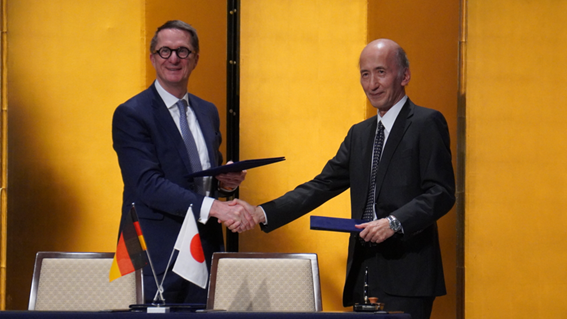
Funds Global Asia, The Asian Banker, and Wealth Briefing covered the new Memorandum of Understanding between Tokyo and Frankfurt, signed by Hiroshi Nakaso of FinCity Tokyo and Oliver Behrens of Frankfurt Main Finance at the FinCity Global Forum in February. Click here to read the full press announcement.
FinCity also featured in the following news:
Tokyo, London team up on transition finance (International Financing Review, February 13)
Tokyo and London are joining forces to develop the market for transition bonds, following 1.4 trillion yen bond issuance achieved by Japan’s GX Green Transition programme.
Family offices eye niche strategies, impact investing in emerging managers (Nikkei Asia, February 5)
At the Tokyo Asset Management Forum 2026, a panel of experts from the U.S., Singapore and Hong Kong emphasized how emerging managers can diversify asset management in Japan and contribute to society through impact investing.
Introducing Our Directors
Interview: Tokyo’s Competitive Edge as a Financial Center
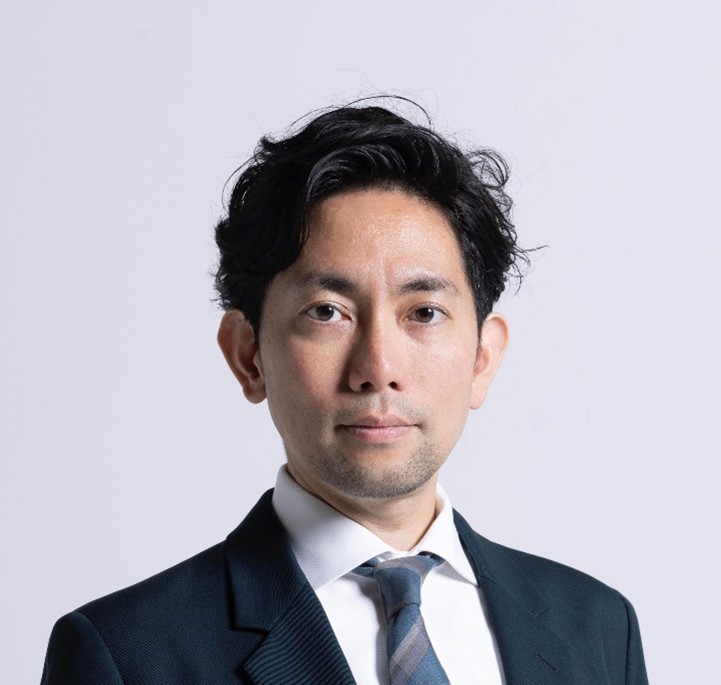
Naoki Kanehisa, Auditor of FinCity.Tokyo and Senior Partner at Atsumi & Sakai Foreign Law Joint Enterprise, spoke with us about Tokyo’s strengths as a market and thoughts on further steps to make Tokyo an international financial hub.
Other Key Updates
FinCity.Tokyo Chairman Nakaso speaks at Japan Securities Summit in London
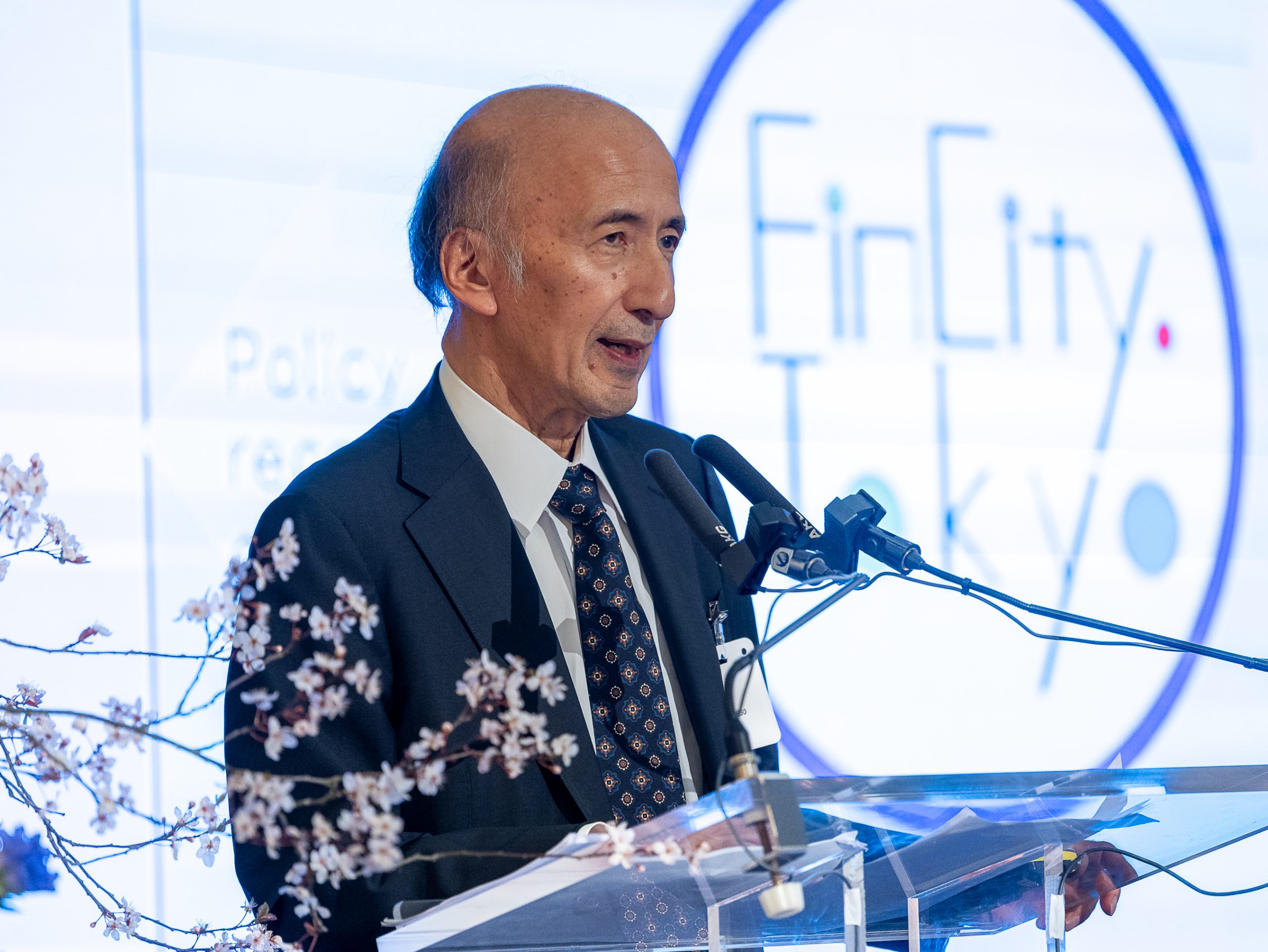
Amidst global volatility, Tokyo is drawing investors’ attention. Where next in 2026? FinCity.Tokyo cordially invites members of the media to its annual flagship events dedicated to the ongoing evolution of Tokyo’s finance ecosystem, developments in Japan’s asset management space, and opportunities for foreign investors.
In his keynote address at the Japan Securities Summit in London on February 11, FinCity.Tokyo’s Chairman Hiroshi Nakaso outlined how the UK and Japan could collaborate on developing the fledging market for transition finance to mobilize funds for the global green transition. He also welcomed emerging asset managers from the UK to explore opportunities in Japan.
Key Stories in Media
KEY STORIES IN JAPANESE MEDIA
- Takaichi claims “not taking unrestrained fiscal policies” in administrative policy, clearly mentions taking steps to reduce consumption tax (Nikkei, February 20)
In her policy speech to the House of Representatives on Feb 20, Prime Minister Sanae Takaichi called for promoting public and private investment based on “responsible but proactive public finance” to strengthen Japan’s national power. She emphasized that fiscal policy would not be “unbridled” in order to maintain market confidence. The speech outlines the government’s policy for the year, and the prime minister devoted about half of it to explaining ways of strengthening the economy. “What is overwhelmingly lacking is domestic investment. We will make thorough efforts to boost it.”
- Finance Minister calls for structural transformation to a “strong economy”, review of expenditures (Tokyo Shimbun, February 20)
Finance Minister Satsuki Katayama said in her fiscal speech at the plenary session of the House of Representatives on the 20th that it is “important to shift to a fiscal structure that supports a ‘strong economy’” by reviewing expenditures and revenues. The government stated that it would “boldly prioritize” measures to support people’s lives and realize economic growth, and emphasized that “measures that have little expected effect will be reviewed.”
- Japanese stocks see largest inflow of foreign funds in 11 years after House of Representatives election – High expectations for Takaichi administration (Bloomberg, February 19)
Foreign investors bought the most Japanese stocks and futures in more than a decade in the days following Prime Minister Sanae Takaichi’s historic election win. Foreigners bought a combined net ¥1.78 trillion ($11.5 billion) in Japanese shares and index futures in the week ended Feb. 13, the largest amount since November 2014, according to data released Thursday by Japan Exchange Group. That came after Takaichi’s victory fueled expectations of political stability and more government spending.
KEY STORIES IN INTERNATIONAL MEDIA
- From Japan, an innovative approach to asset management (Asia Asset Management, February 23)
Two years since former prime minister Fumio Kishida announced his vision to make Japan an asset management nation, Japan is becoming an innovator in the field. Hiroshi Nakaso, chairman of FinCity.Tokyo, explains that “the core of this effort is strengthening Japan’s investment chain, centred on asset owners such as pension funds, including corporate pensions – and asset managers.” He also suggested that by making greater use of individual defined-contribution schemes and allowing employers to make additional contributions, it’s possible to create a low-cost alternative to traditional corporate pensions.
- Japan’s Takaichi to Tout Plans Aimed at Stoking Private Spending(Bloomberg, February 19)
Japanese Prime Minister Sanae Takaichi vowed to boost strategic investment and carry out active fiscal policy responsibly in her first parliamentary address. She said she would ensure the pace of increase in Japan’s debt is within the range of Japan’s growth and steadily lower the ratio of public debt to gross domestic product.
- How the World’s Most Boring Market Became a ‘Battlefield’ (New York Times, February 18)
Following Prime Minister Takaichi’s call to cut the consumption tax, economists and investors have voiced concern about Japan’s debt, but JGBs and bond traders are on the lookout for a resurgence in the lucrative market. Even with the pros and cons, hedge funds are already working to secure human resources, and many expect the Japanese economy to benefit.
Copyright © 2025 FinCity.Tokyo. Distributed for FinCity.Tokyo by Kreab K.K.